American Bobtail
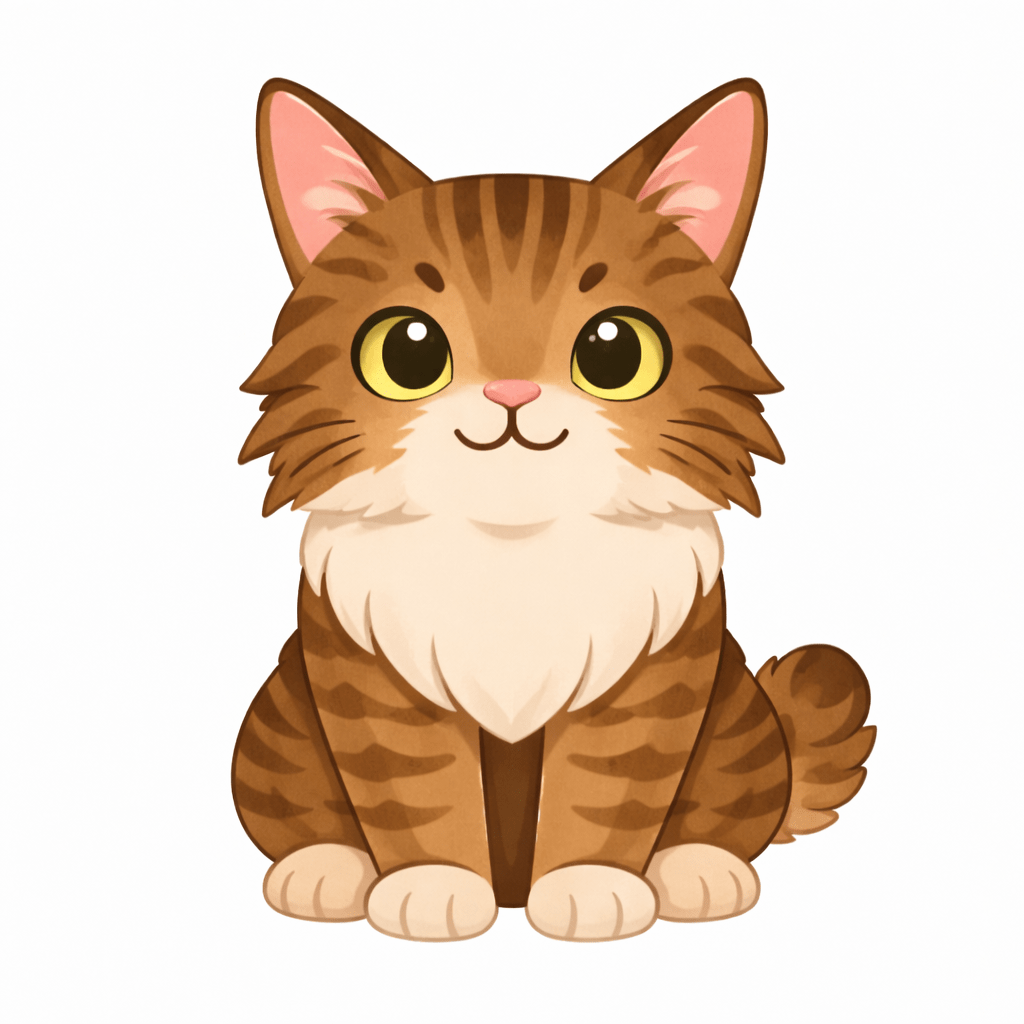
The American Bobtail is a distinctive cat breed known for its naturally short tail, wild appearance, and dog-like personality. Developed in the 1960s, they have a muscular build and come in both short and long-haired varieties.
Temperament
Intelligent, playful, affectionate, and adaptable. Known for their dog-like loyalty and ability to walk on leash. Excellent hunters with strong interactive personalities.
Exercise Needs
American Bobtails need 30-60 minutes of daily activity. They enjoy interactive play, puzzle toys, and can even be trained to walk on leash like dogs.
Key Tips:
-
Interactive wand toys
-
Puzzle feeders and treat balls
-
Leash training for outdoor walks
-
Cat trees and climbing structures
-
Hide and seek games
Grooming Requirements
Grooming needs vary by coat length. Short-haired varieties need weekly brushing, long-haired need daily brushing to prevent matting. They are generally clean cats.
Key Tips:
-
Weekly brushing for short-haired
-
Daily brushing for long-haired
-
Regular nail trimming
-
Monthly ear cleaning
-
Dental care routine
Nutrition
High-quality cat food appropriate for their age and activity level. American Bobtails can be prone to overeating, so portion control is important.
Key Tips:
-
Premium cat food with high protein
-
Age-appropriate nutrition (kitten, adult, senior)
-
Controlled portions to prevent obesity
-
Fresh water always available
-
Limited treats and snacks
Insurance Cost for American Bobtail
Premiums vary by animal, package and policy terms. Published product prices are reference information; request a current quote. No general market average is provided.
Nutrition Guide
American Bobtail Nutrition Guide
FEDIAF-based daily calorie and food amount calculators for American Bobtail. Jump directly to breed-specific feeding scenarios.
Suggested starting weight for this breed: about 5 kg.
Popular calculations for American Bobtail
- American Bobtail adult dry food amount
- American Bobtail kitten feeding amount
- American Bobtail neutered feeding guide
- American Bobtail senior feeding guide
Common Health Concerns
Regular preventive care can help detect and manage these conditions early. Schedule annual health screenings with a veterinarian familiar with American Bobtails.
Spinal Issues (in tailless variants)
RareSome completely tailless American Bobtails may have spinal defects that can affect mobility and bowel/bladder control.
Avoid breeding completely tailless cats, veterinary examination of spine
Hip Dysplasia
UncommonOccasionally seen in American Bobtails, particularly in larger individuals. Can cause mobility issues and arthritis.
Hip X-rays for breeding cats, maintain healthy weight
Hypertrophic Cardiomyopathy (HCM)
UncommonHeart condition that can affect cats of any breed, including American Bobtails. Can lead to heart failure if untreated.
Annual cardiac screening, echocardiogram for breeding cats