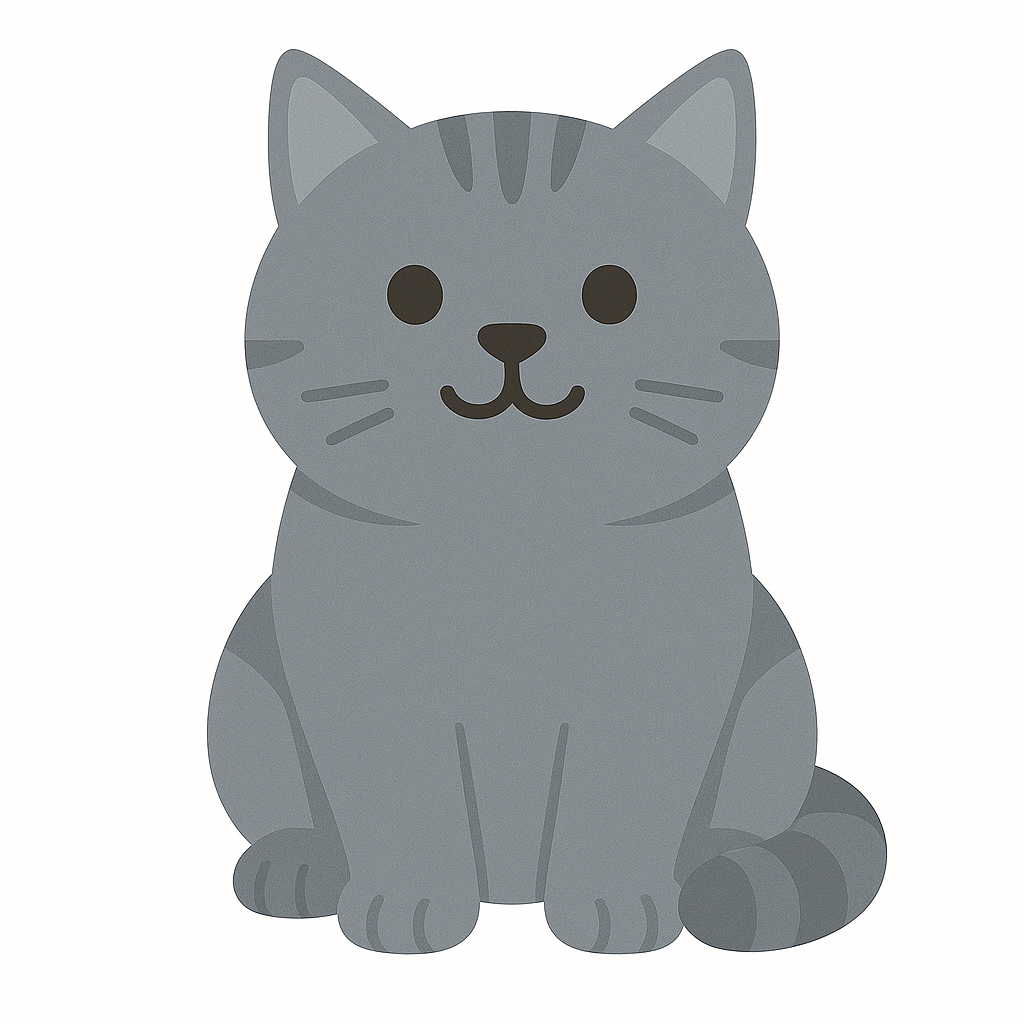
British Shorthair
The British Shorthair is a sturdy, dignified cat with a plush coat and round face, known for its calm and easygoing nature.
Temperament
Calm, easygoing, independent, and affectionate. Patient and good with children and other pets.
Exercise Needs
British Shorthairs need 20-30 minutes of daily play. They are moderately active and can be prone to laziness.
Key Tips:
-
Interactive toys
-
Gentle play sessions
-
Climbing posts
-
Encourage movement
Grooming Requirements
Dense, plush coat requires regular brushing to prevent matting. Increase grooming during seasonal shedding.
Key Tips:
-
Brush 2-3 times weekly
-
Monthly nail trims
-
Regular ear checks
-
Dental care routine
Mental Stimulation
Intelligent but independent cats. They enjoy quiet play and observation more than high-energy activities.
Key Tips:
-
Puzzle feeders
-
Window watching
-
Gentle training
-
Quiet play time
Nutrition
High-quality diet with controlled portions. Prone to obesity due to their calm nature and love of food.
Key Tips:
-
Premium cat food
-
Strict portion control
-
Limited treats
-
Monitor weight regularly
Insurance Cost for British Shorthair
Premiums vary by animal, package and policy terms. Published product prices are reference information; request a current quote. No general market average is provided.
Nutrition Guide
British Shorthair Nutrition Guide
FEDIAF-based daily calorie and food amount calculators for British Shorthair. Jump directly to breed-specific feeding scenarios.
Suggested starting weight for this breed: about 5 kg.
Popular calculations for British Shorthair
- British Shorthair adult dry food amount
- British Shorthair kitten feeding amount
- British Shorthair neutered feeding guide
- British Shorthair senior feeding guide
Common Health Concerns
Regular preventive care can help detect and manage these conditions early. Schedule annual health screenings with a veterinarian familiar with British Shorthairs.
Hypertrophic Cardiomyopathy
CommonA heart condition that can affect British Shorthairs, causing thickening of heart muscle.
Annual cardiac screening recommended
Polycystic Kidney Disease
OccasionalGenetic condition causing cysts to develop in the kidneys.
Genetic testing and ultrasound screening
Obesity
CommonTendency to gain weight due to calm temperament and love of food.
Regular weight checks, portion control, encourage activity