Snowshoe
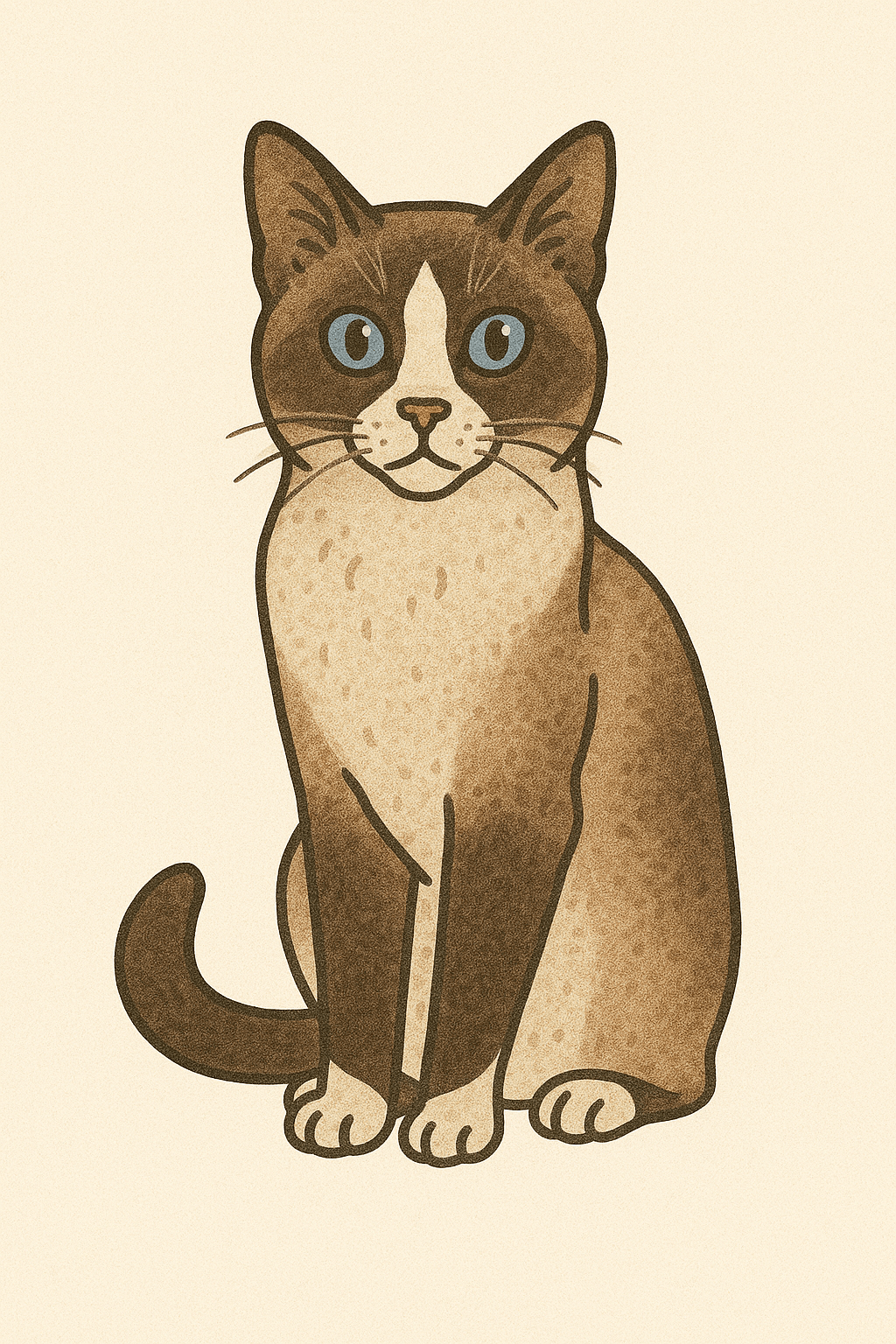
The Snowshoe is a relatively rare and distinctive cat breed that originated in the United States in the 1960s. Created by crossing Siamese cats with American Shorthairs, Snowshoes are known for their striking blue eyes, pointed coloration, and distinctive white boots on their feet that give the breed its name. They have a medium-sized, muscular build with a semi-foreign body type. The breed combines the vocal nature of Siamese cats with the calm temperament of American Shorthairs, resulting in a well-balanced and affectionate companion.
Temperament
Gentle, affectionate, and social with a balanced personality that combines the best traits of their parent breeds. Snowshoes are moderately vocal, less demanding than Siamese but more communicative than typical cats. They are intelligent, curious, and enjoy interactive play. These cats form strong bonds with their families and often choose a favorite person. They are generally good with children and other pets when properly socialized. Snowshoes are known for their love of water and may enjoy playing with water bowls or faucets.
Exercise Needs
Snowshoe cats are moderately active and enjoy interactive play sessions. They benefit from 25-45 minutes of daily activity that includes both physical exercise and mental stimulation. These cats love climbing and jumping, so providing cat trees and vertical spaces is important. They enjoy interactive toys, puzzle feeders, and games that challenge their intelligence. Water play can be particularly appealing to many Snowshoes due to their fascination with water.
Key Tips:
-
Interactive play sessions daily
-
Cat trees and climbing structures
-
Puzzle toys and treat dispensers
-
Water play opportunities
-
Feather wands and laser pointers
-
Rotating toy selection
-
Window perches for bird watching
-
Social play with family members
Grooming Requirements
Snowshoe cats have a short to medium-length coat that is relatively low-maintenance compared to long-haired breeds. Weekly brushing is usually sufficient to remove loose hair and maintain coat health, though during seasonal shedding periods, more frequent brushing may be beneficial. Their coat is less prone to matting than longer-haired cats. Regular nail trimming, ear cleaning, and dental care are important for overall health. Many Snowshoes enjoy the bonding time that grooming provides with their owners.
Key Tips:
-
Weekly brushing with soft brush
-
Increase brushing during shedding seasons
-
Regular nail trimming every 2-3 weeks
-
Weekly ear cleaning and inspection
-
Daily dental care or dental treats
-
Occasional baths as needed
-
Check and clean between toes
-
Monitor for any skin issues
Nutrition
Snowshoe cats require high-quality cat food appropriate for their age, size, and activity level. As medium-sized cats with moderate activity levels, they benefit from balanced nutrition that supports their overall health without leading to weight gain. Fresh water should always be available, and many Snowshoes particularly enjoy fresh, clean water due to their fascination with water. Portion control is important to prevent obesity, which can be a concern in less active indoor cats. Some Snowshoes may have food sensitivities inherited from their Siamese ancestry.
Key Tips:
-
High-quality age-appropriate cat food
-
Balanced nutrition for medium-sized cats
-
Portion control to prevent obesity
-
Fresh, clean water always available
-
Monitor for food sensitivities
-
Avoid overfeeding treats
-
Regular feeding schedule
-
Consider water fountains for hydration
Insurance Cost for Snowshoe
Premiums vary by animal, package and policy terms. Published product prices are reference information; request a current quote. No general market average is provided.
Nutrition Guide
Snowshoe Nutrition Guide
FEDIAF-based daily calorie and food amount calculators for Snowshoe. Jump directly to breed-specific feeding scenarios.
Suggested starting weight for this breed: about 5 kg.
Popular calculations for Snowshoe
- Snowshoe adult dry food amount
- Snowshoe kitten feeding amount
- Snowshoe neutered feeding guide
- Snowshoe senior feeding guide
Common Health Concerns
Regular preventive care can help detect and manage these conditions early. Schedule annual health screenings with a veterinarian familiar with Snowshoes.
Hypertrophic Cardiomyopathy (HCM)
ModerateThe most common heart disease in cats, where the heart muscle becomes abnormally thick. Snowshoes may inherit this condition from their Siamese ancestry. Symptoms can include difficulty breathing, lethargy, loss of appetite, and in severe cases, sudden collapse. Early detection through regular cardiac screening is important for management.
Annual cardiac examinations and echocardiograms, monitor for breathing difficulties or lethargy, genetic testing for breeding cats, maintain healthy weight
Progressive Retinal Atrophy (PRA)
UncommonAn inherited eye condition that can be passed down from Siamese ancestry, causing gradual vision loss. Typically starts with night blindness and progresses slowly. While there is no cure, cats adapt well to vision changes with proper support and environmental management.
Annual eye examinations by veterinary ophthalmologist, monitor for night vision problems, genetic testing for breeding cats, maintain consistent home environment
Kidney Disease
ModerateChronic kidney disease can affect Snowshoes, potentially inherited from their Siamese lineage. Symptoms include increased thirst and urination, weight loss, poor appetite, and lethargy. Early detection through regular blood work is important for management and can help slow progression with proper diet and care.
Regular blood work and urinalysis, monitor water intake and urination, maintain proper hydration, kidney-friendly diet if diagnosed, regular veterinary checkups