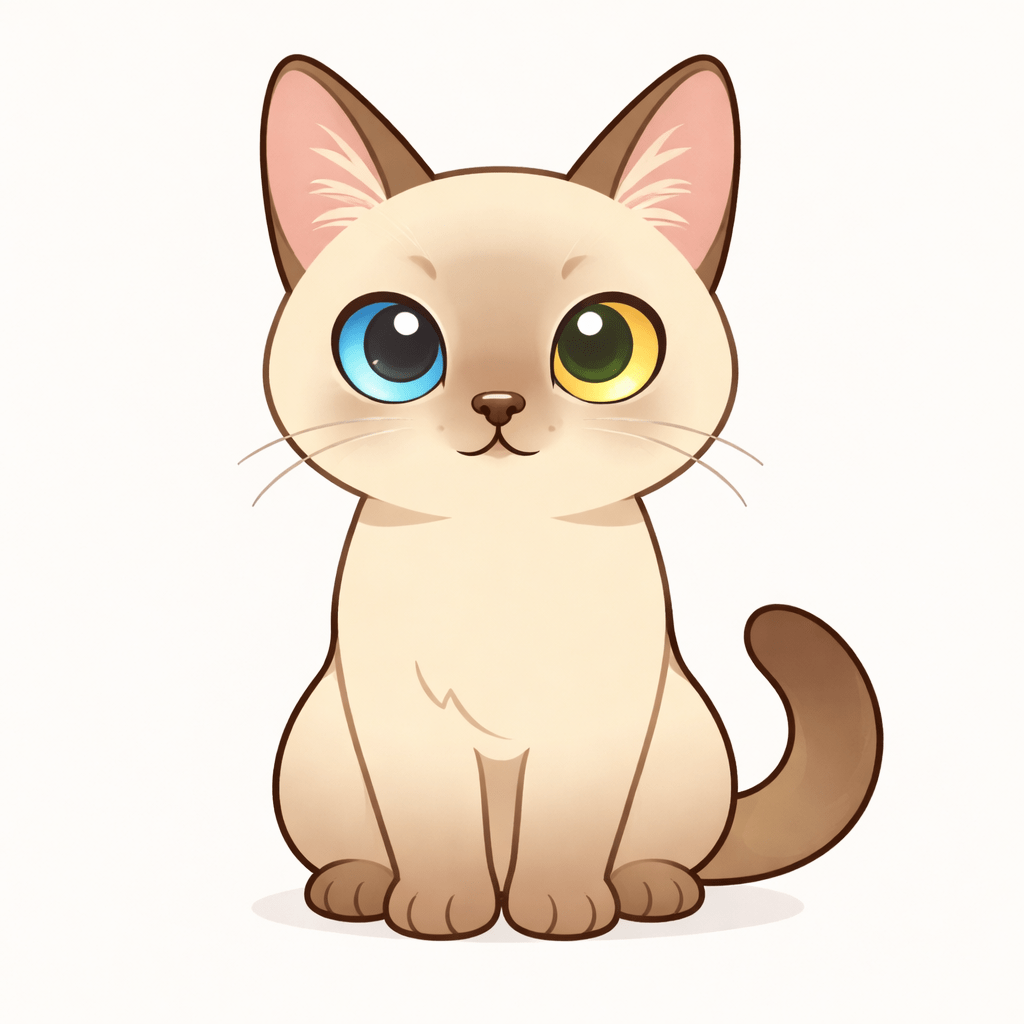
Tonkinese
The Tonkinese is a medium-sized cat breed that originated from crosses between Siamese and Burmese cats, combining the best traits of both parent breeds. Developed in the 1960s in North America, Tonkinese cats are known for their striking aqua-colored eyes, muscular build, and distinctive coat patterns. They come in three coat patterns: pointed (like Siamese), solid (like Burmese), and mink (a unique blend). Their coat is short, silky, and comes in various colors including natural, champagne, blue, and platinum. Tonkinese cats are medium-sized with a well-balanced, muscular body that feels heavier than it appears.
Temperament
Affectionate, social, and highly interactive with a perfect balance of Siamese chattiness and Burmese calmness. Tonkinese cats are known for their people-oriented nature and strong desire for companionship. They are intelligent, playful, and maintain kitten-like curiosity throughout their lives. These cats are moderately vocal - more talkative than Burmese but less demanding than Siamese. They form strong bonds with their families and often follow their owners around the house. Tonkinese cats are generally good with children and other pets, showing patience and gentleness. They are active cats who enjoy interactive play and mental stimulation.
Exercise Needs
Tonkinese cats are moderately active and playful, requiring 30-50 minutes of daily activity that combines physical exercise with mental stimulation. They inherit the playful nature of both parent breeds and enjoy interactive games, climbing, and exploring. These intelligent cats benefit from puzzle toys, interactive feeders, and games that challenge their minds. They love to climb and jump, so providing cat trees and vertical spaces is important. Tonkinese cats also enjoy social play and interaction with their human families, making them excellent companions for interactive play sessions.
Key Tips:
-
Interactive play sessions daily
-
Cat trees and climbing structures
-
Puzzle toys and treat dispensers
-
Social interaction with family members
-
Feather wands and laser pointers
-
Window perches for bird watching
-
Rotating toy selection to maintain interest
-
Mental stimulation through training games
Grooming Requirements
Tonkinese cats have a short, silky coat that is relatively low-maintenance but benefits from regular grooming. Weekly brushing with a soft brush or grooming mitt helps remove loose hair, distribute natural oils, and maintain coat shine. They shed moderately year-round with slightly increased shedding during seasonal changes. Their coat is less prone to matting than longer-haired breeds, but regular brushing helps keep it healthy and lustrous. Regular nail trimming, ear cleaning, and dental care are important for overall health. Many Tonkinese cats enjoy the bonding time that grooming provides with their owners.
Key Tips:
-
Weekly brushing with soft brush or grooming mitt
-
Regular nail trimming every 2-3 weeks
-
Weekly ear cleaning and inspection
-
Daily dental care or dental treats
-
Occasional baths as needed
-
Monitor for seasonal shedding increases
-
Check for any skin issues during grooming
-
Maintain regular grooming routine for bonding
Nutrition
Tonkinese cats require high-quality cat food appropriate for their age, size, and activity level. As medium-sized, moderately active cats, they benefit from balanced nutrition that supports their muscular build and energy needs. Fresh water should always be available. These cats can be prone to overeating if free-fed, so portion control and scheduled feeding times are recommended. Some Tonkinese may inherit food sensitivities from their parent breeds, so monitoring for adverse reactions is important. Their social nature means they often enjoy mealtime as a bonding experience with their families.
Key Tips:
-
High-quality, age-appropriate cat food
-
Balanced nutrition for medium-sized cats
-
Portion control to prevent overeating
-
Scheduled feeding times recommended
-
Fresh water always available
-
Monitor for food sensitivities
-
Avoid free-feeding if prone to overeating
-
Make mealtime a social bonding experience
Insurance Cost for Tonkinese
Premiums vary by animal, package and policy terms. Published product prices are reference information; request a current quote. No general market average is provided.
Nutrition Guide
Tonkinese Nutrition Guide
FEDIAF-based daily calorie and food amount calculators for Tonkinese. Jump directly to breed-specific feeding scenarios.
Suggested starting weight for this breed: about 5 kg.
Popular calculations for Tonkinese
- Tonkinese adult dry food amount
- Tonkinese kitten feeding amount
- Tonkinese neutered feeding guide
- Tonkinese senior feeding guide
Common Health Concerns
Regular preventive care can help detect and manage these conditions early. Schedule annual health screenings with a veterinarian familiar with Tonkineses.
Hypertrophic Cardiomyopathy (HCM)
ModerateThe most common heart disease in cats, where the heart muscle becomes abnormally thick. Tonkinese cats can inherit this condition from their Burmese ancestry. Symptoms may include difficulty breathing, lethargy, loss of appetite, and in severe cases, sudden collapse. Early detection through regular cardiac screening is important for management.
Annual cardiac examinations and echocardiograms, monitor for breathing difficulties or lethargy, genetic testing for breeding cats, maintain healthy weight
Progressive Retinal Atrophy (PRA)
UncommonAn inherited eye condition that can be passed down from Siamese ancestry, causing gradual vision loss. Typically starts with night blindness and progresses slowly. While there is no cure, cats adapt well to vision changes with proper support and environmental management.
Annual eye examinations by veterinary ophthalmologist, monitor for night vision problems, genetic testing for breeding cats, maintain consistent home environment
Gingivitis and Dental Disease
CommonTonkinese cats can be prone to dental issues including gingivitis and periodontal disease, potentially inherited from their Siamese and Burmese ancestry. Symptoms include bad breath, red or swollen gums, difficulty eating, and excessive drooling. Regular dental care and professional cleanings can help prevent and manage these conditions.
Daily dental care with brushing or dental treats, regular professional dental cleanings, monitor for signs of dental disease, provide dental-friendly toys and food