Turkish Van
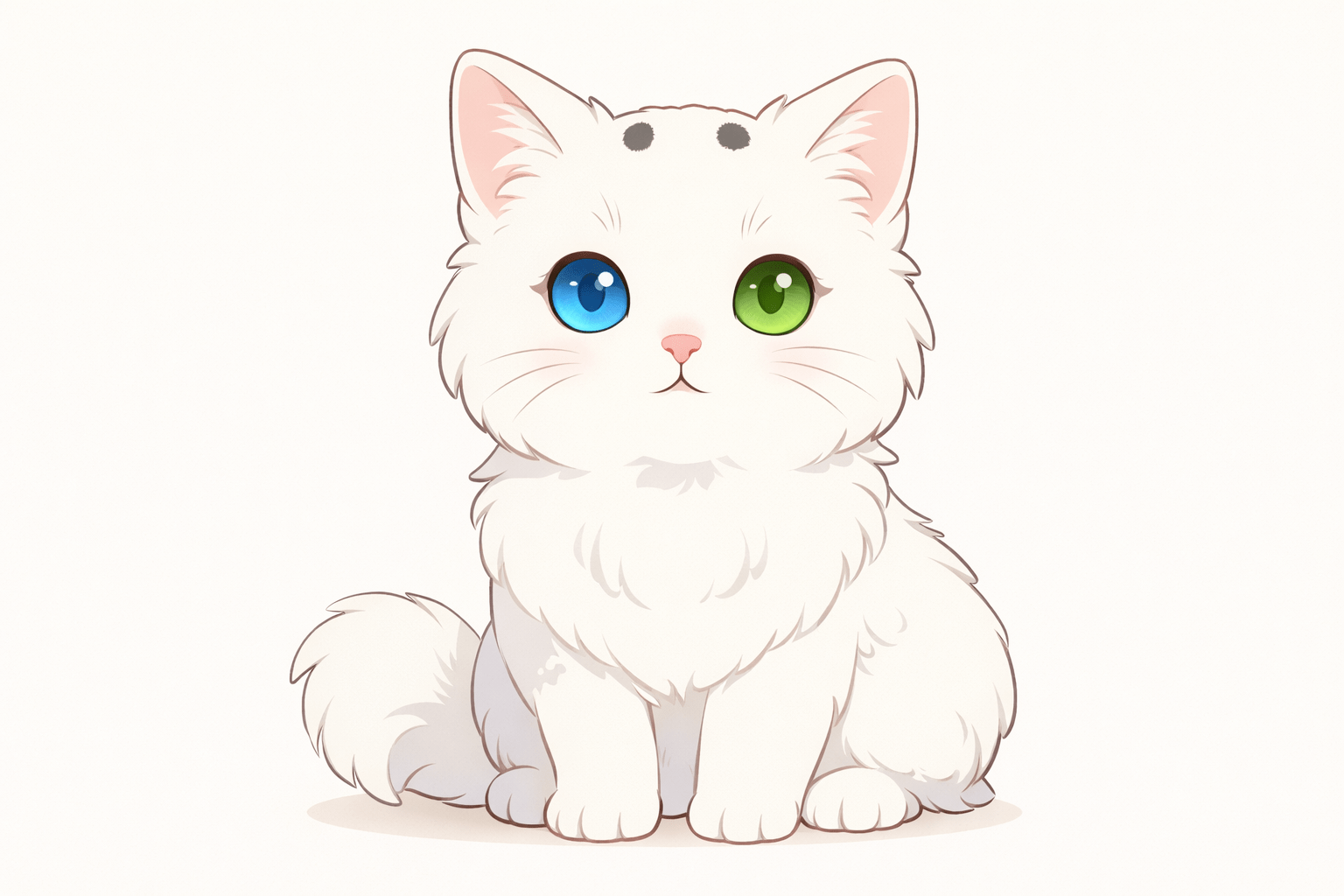
The Turkish Van is a distinctive and ancient cat breed that originated in the Lake Van region of Turkey. Known as the Swimming Cat, Turkish Vans are famous for their unique love of water and exceptional swimming abilities. This natural breed is characterized by its semi-longhaired coat with a distinctive van pattern - predominantly white with colored markings on the head and tail. Turkish Vans are large, muscular cats with a robust build and athletic prowess. Their coat is water-resistant and lacks an undercoat, making it easier to maintain. The breed is known for its intelligence, energy, and playful nature. Turkish Vans are often called living jewels due to their striking appearance and rarity.
Temperament
Energetic, intelligent, and playful with a bold and adventurous personality. Turkish Vans are known for their high energy levels and love of activity, making them excellent climbers and jumpers. They are confident cats who enjoy being the center of attention and are often described as dog-like in their loyalty and interactive nature. These cats are highly intelligent and curious, often getting into mischief due to their inquisitive and fearless nature. They are moderately vocal and will communicate with chirps, trills, and purrs. Turkish Vans are known for their unique love of water and may be found playing in water bowls, sinks, or even joining their owners in the bath. They form strong bonds with their families but can be somewhat independent and prefer to be the only cat in the household.
Exercise Needs
Turkish Van cats are highly energetic and athletic, requiring 30-60 minutes of vigorous daily activity. These natural athletes excel at climbing, jumping, and swimming, needing plenty of vertical space and interactive play. Their love of water makes them unique among cat breeds - they may enjoy supervised water play or even shallow baths. These cats have strong hunting instincts and benefit from activities that simulate prey capture. Interactive play sessions with feather wands, laser pointers, and puzzle toys help satisfy their high energy needs. They are excellent climbers and should have tall cat trees and climbing structures to explore their vertical territory.
Key Tips:
-
Provide tall cat trees and climbing structures
-
Interactive play with feather wands and laser toys
-
Supervised water play opportunities
-
Puzzle feeders and treat-dispensing toys
-
Daily vigorous play sessions
-
Secure outdoor enclosures or catios
-
Swimming opportunities if available
-
High-energy interactive games
-
Rotate toys to maintain interest
Grooming Requirements
Turkish Van cats have a unique semi-longhaired coat that is water-resistant and lacks an undercoat, making grooming relatively manageable. Their silky coat naturally repels water and dirt, requiring brushing 2-3 times per week to prevent matting and remove loose hair. During spring and fall shedding seasons, daily brushing may be necessary. Pay special attention to areas prone to tangling such as behind the ears, under the arms, and the britches area. Their love of water means they may actually enjoy occasional baths, which can help maintain their coat's health and appearance. Regular nail trimming, ear cleaning, and dental care are essential for overall health maintenance.
Key Tips:
-
Brush 2-3 times weekly with slicker brush
-
Daily brushing during shedding seasons
-
Pay attention to tangle-prone areas
-
Regular nail trimming every 2-3 weeks
-
Weekly ear cleaning and inspection
-
Daily dental care or dental treats
-
Occasional baths (they may enjoy water!)
-
Use metal comb for thorough grooming
-
Monitor coat for any changes or issues
Nutrition
Turkish Van cats require high-quality cat food appropriate for their age, size, and high activity level. As large, athletic cats, they need a protein-rich diet to support their muscular build and energy needs. Fresh water should always be available, and given their love of water, they may prefer running water fountains. These cats have hearty appetites and can be prone to overeating, so portion control is important to prevent obesity. Some Turkish Vans may have food sensitivities, so monitoring for adverse reactions is important. Their active nature means they burn calories efficiently, but maintaining proper weight is crucial for their joint health and overall wellbeing.
Key Tips:
-
High-quality, age-appropriate cat food
-
Protein-rich diet for athletic build
-
Portion control to prevent overeating
-
Fresh water always available (consider water fountains)
-
Monitor for food sensitivities
-
Maintain proper weight for joint health
-
Regular feeding schedule
-
Avoid free-feeding due to hearty appetites
-
High-quality treats in moderation
Insurance Cost for Turkish Van
Premiums vary by animal, package and policy terms. Published product prices are reference information; request a current quote. No general market average is provided.
Nutrition Guide
Turkish Van Nutrition Guide
FEDIAF-based daily calorie and food amount calculators for Turkish Van. Jump directly to breed-specific feeding scenarios.
Suggested starting weight for this breed: about 5 kg.
Popular calculations for Turkish Van
- Turkish Van adult dry food amount
- Turkish Van kitten feeding amount
- Turkish Van neutered feeding guide
- Turkish Van senior feeding guide
Common Health Concerns
Regular preventive care can help detect and manage these conditions early. Schedule annual health screenings with a veterinarian familiar with Turkish Vans.
Hypertrophic Cardiomyopathy (HCM)
ModerateThe most common heart disease in cats, where the heart muscle becomes abnormally thick. Turkish Vans can be affected by this genetic condition, which can lead to heart failure if left untreated. Symptoms may include difficulty breathing, lethargy, loss of appetite, and in severe cases, sudden collapse. Early detection through regular cardiac screening is crucial for management and treatment.
Annual cardiac examinations and echocardiograms, monitor for breathing difficulties or lethargy, genetic testing for breeding cats, maintain healthy weight, regular veterinary checkups
Hip Dysplasia
UncommonA genetic condition affecting the hip joints, more commonly seen in dogs but can occasionally affect large cat breeds like Turkish Vans. The condition involves abnormal development of the hip socket, leading to joint instability and potential arthritis. Symptoms may include difficulty jumping, stiffness, limping, or reluctance to engage in physical activity. Maintaining proper weight and providing appropriate exercise can help manage the condition.
Hip scoring for breeding cats, monitor for mobility issues, maintain healthy weight, provide low-impact exercise, regular veterinary examinations for joint health
Polycystic Kidney Disease (PKD)
UncommonA genetic kidney disorder where cysts develop in the kidneys over time, potentially leading to kidney failure. While less common in Turkish Vans compared to some other breeds, it can still occur. Symptoms typically appear later in life and may include increased thirst and urination, weight loss, poor appetite, and lethargy. Early detection through genetic testing and regular kidney function monitoring is important for management.
Genetic testing for breeding cats, regular kidney function blood tests, monitor water intake and urination patterns, annual veterinary examinations, maintain proper hydration