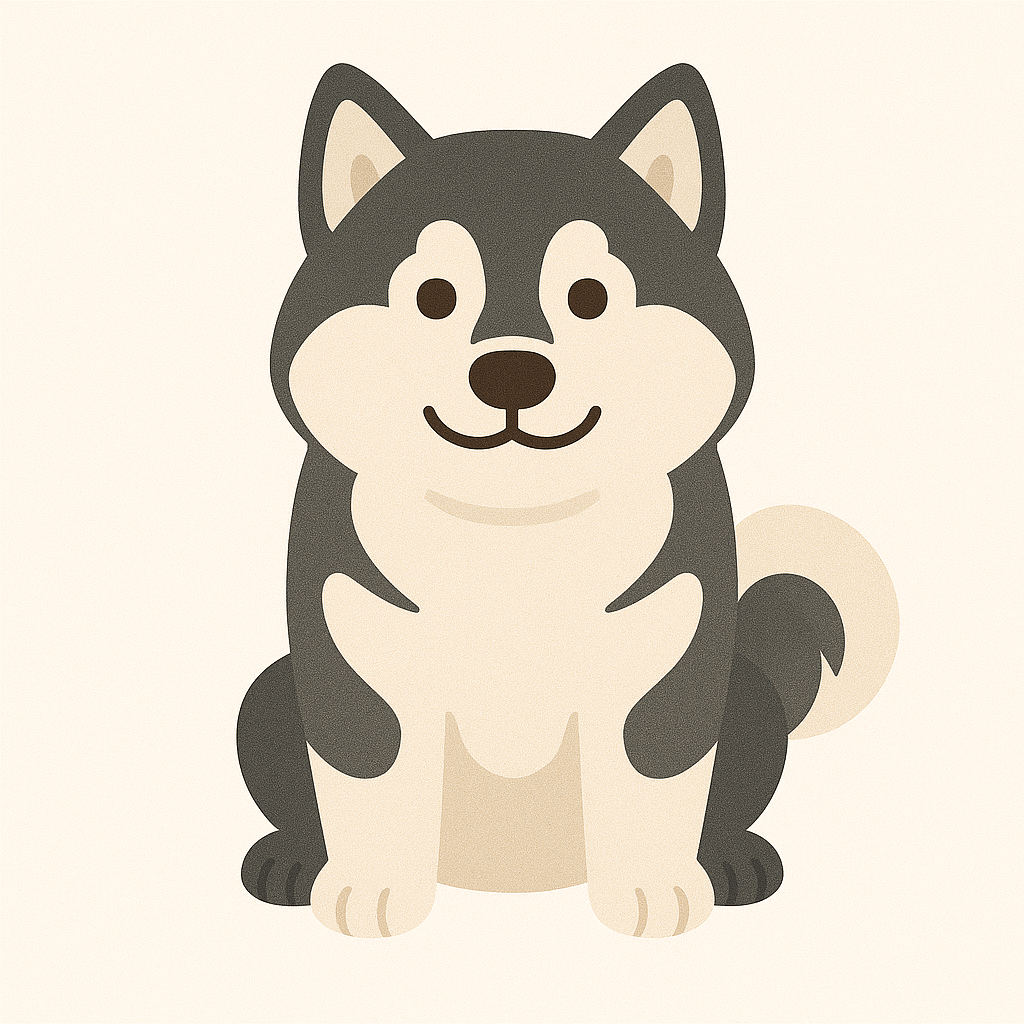
Alaskan Malamute
The Alaskan Malamute is one of the oldest Arctic sled dog breeds, built for strength and endurance. Originally bred by the Mahlemut tribe over 3,000 years ago for hauling heavy sleds and hunting in harsh Arctic conditions.
Temperament
Friendly, affectionate, loyal, and playful. Strong-willed and independent, requiring firm but gentle leadership. Excellent with families but can be dominant with other dogs.
Exercise Needs
Alaskan Malamutes need 90-150 minutes of vigorous daily exercise. They excel at pulling, hiking, and cold-weather activities. Mental stimulation is crucial to prevent destructive behavior.
Key Tips:
-
Daily long hikes (60-90 min)
-
Weight pulling exercises
-
Sledding or skijoring
-
Swimming in cooler weather
-
Interactive puzzle toys
Grooming Requirements
Double coat requires intensive grooming, especially during shedding seasons (spring and fall). Daily brushing prevents matting and reduces household hair.
Key Tips:
-
Daily brushing with undercoat rake
-
Weekly deep brushing sessions
-
Bathe only when necessary (2-3 times yearly)
-
Regular nail trims every 3-4 weeks
-
Clean ears weekly
Nutrition
High-quality diet for large, active breeds. Prone to bloat, so feed 2-3 smaller meals daily. Monitor weight as they can gain weight easily when less active.
Key Tips:
-
Premium large breed dog food
-
High protein content (22-26%)
-
Two to three meals per day
-
Avoid exercise 1-2 hours after eating
-
Fresh water always available
Insurance Cost for Alaskan Malamute
Premiums vary by animal, package and policy terms. Published product prices are reference information; request a current quote. No general market average is provided.
Nutrition Guide
Alaskan Malamute Nutrition Guide
FEDIAF-based daily calorie and food amount calculators for Alaskan Malamute. Jump directly to breed-specific feeding scenarios.
Suggested starting weight for this breed: about 20 kg.
Popular calculations for Alaskan Malamute
- Alaskan Malamute 20 kg adult feeding amount
- Alaskan Malamute 20 kg intact feeding amount
- Alaskan Malamute puppy feeding amount
- Alaskan Malamute senior feeding guide
Common Health Concerns
Regular preventive care can help detect and manage these conditions early. Schedule annual health screenings with a veterinarian familiar with Alaskan Malamutes.
Hip Dysplasia
CommonA genetic condition affecting the hip joints, very common in large breeds like Alaskan Malamutes.
Hip scoring and X-rays recommended before breeding
Chondrodysplasia (Dwarfism)
UncommonA genetic condition specific to Alaskan Malamutes causing abnormal cartilage and bone development.
Genetic testing available for breeding dogs
Hypothyroidism
CommonUnderactive thyroid gland leading to weight gain, lethargy, and coat problems. Common in Alaskan Malamutes.
Annual thyroid function testing recommended
Bloat (GDV)
UncommonLife-threatening condition where the stomach twists, can occur in large, deep-chested breeds like Malamutes.
Feed multiple small meals, avoid exercise after eating