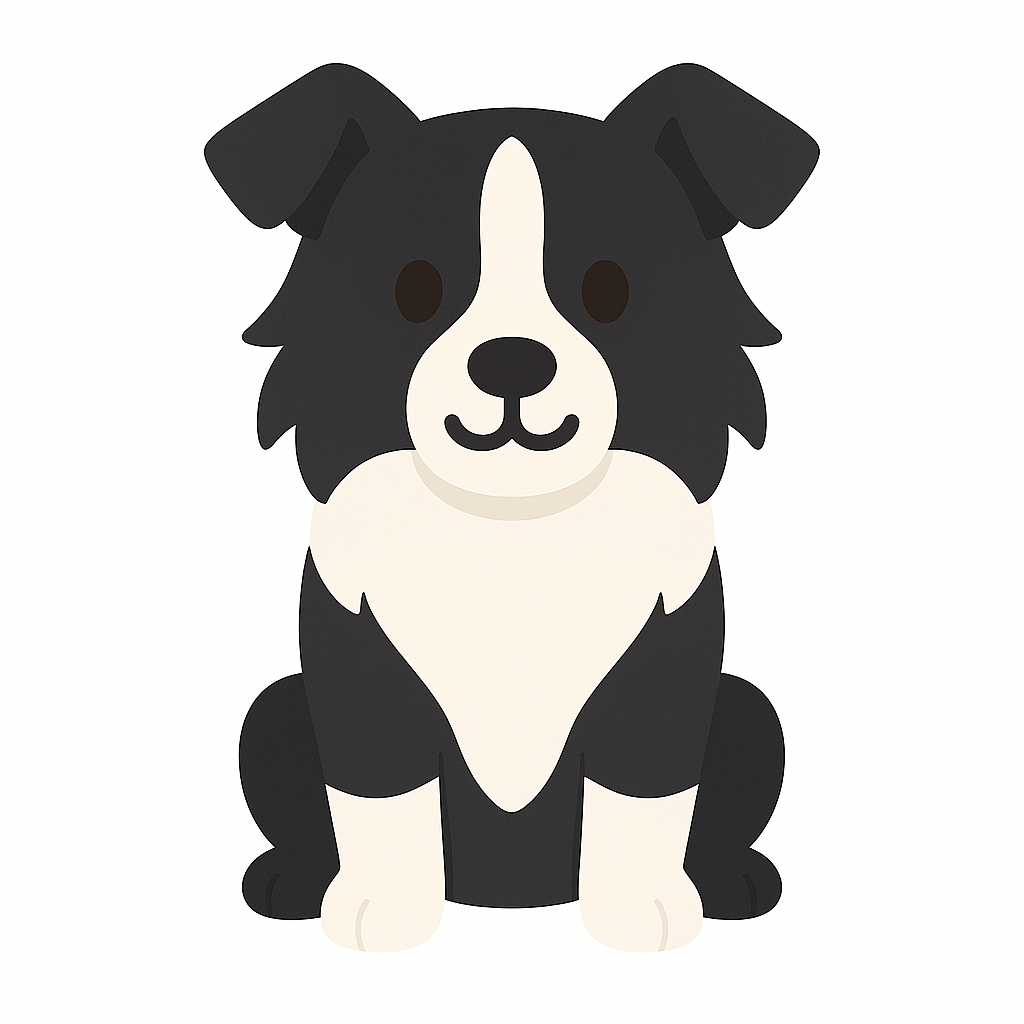
Border Collie
The Border Collie is widely regarded as the most intelligent dog breed in the world. Originally developed in the border regions between Scotland and England for herding sheep, they are characterized by their exceptional intelligence, intense work drive, and remarkable problem-solving abilities. They excel in various dog sports and working roles due to their trainability and eagerness to please.
Temperament
Highly intelligent, energetic, and intensely focused. Known for their strong work ethic and desire to have a job to do. Can be reserved with strangers but devoted to their family. May exhibit herding behaviors with children and other pets. Requires mental stimulation to prevent destructive behaviors.
Exercise Needs
Border Collies have extremely high exercise needs, requiring 90-120 minutes of intensive daily activity. They need both physical exercise and mental challenges to stay happy and healthy. Without adequate stimulation, they can become destructive and develop behavioral problems. They excel at activities that combine physical and mental work.
Key Tips:
-
High-intensity running and jogging
-
Agility training and competitions
-
Frisbee and fetch games
-
Herding activities and trials
-
Advanced obedience training
-
Mental puzzle games
-
Long hiking and outdoor adventures
-
Dog sports like flyball and dock diving
Grooming Requirements
Border Collies have moderate to high grooming needs due to their double coat that sheds year-round with seasonal peaks. Regular brushing is essential to prevent matting and manage shedding. They come in both rough and smooth coat varieties, with rough coats requiring more frequent grooming.
Key Tips:
-
Daily brushing during shedding seasons
-
2-3 times weekly brushing normally
-
Use slicker brush and undercoat rake
-
Regular nail trims every 2-3 weeks
-
Monthly baths or as needed
-
Ear cleaning weekly
-
Dental care 2-3 times weekly
-
Professional grooming every 6-8 weeks
Nutrition
Border Collies require high-quality, protein-rich food to support their active lifestyle and high energy levels. Due to their intense activity, they may need more calories than average dogs of similar size. Feed 2-3 meals daily to maintain energy levels and prevent bloat. Adjust portions based on activity level and age.
Key Tips:
-
High-quality, protein-rich dog food
-
Appropriate portions for high activity level
-
Two to three meals per day
-
Performance or working dog formulas
-
Fresh water always available
-
Healthy training treats in moderation
-
Adjust feeding based on exercise intensity
Insurance Cost for Border Collie
Premiums vary by animal, package and policy terms. Published product prices are reference information; request a current quote. No general market average is provided.
Nutrition Guide
Border Collie Nutrition Guide
FEDIAF-based daily calorie and food amount calculators for Border Collie. Jump directly to breed-specific feeding scenarios.
Suggested starting weight for this breed: about 20 kg.
Popular calculations for Border Collie
- Border Collie 20 kg adult feeding amount
- Border Collie 20 kg intact feeding amount
- Border Collie puppy feeding amount
- Border Collie senior feeding guide
Common Health Concerns
Regular preventive care can help detect and manage these conditions early. Schedule annual health screenings with a veterinarian familiar with Border Collies.
Hip Dysplasia
CommonGenetic condition affecting hip joint development. Can cause lameness, pain, and arthritis. More common in active breeds due to increased stress on joints during high-impact activities.
Hip scoring for breeding dogs, maintain healthy weight, appropriate exercise, joint supplements
Progressive Retinal Atrophy (PRA)
CommonHereditary eye disease causing gradual vision loss and eventual blindness. Particularly important in Border Collies as they rely heavily on vision for herding work. Genetic testing available for breeding decisions.
Annual eye examinations, genetic testing for breeding, early detection monitoring
Collie Eye Anomaly (CEA)
CommonInherited eye condition affecting the development of the eye. Can range from mild with no vision impact to severe causing blindness. Genetic testing available and recommended for all breeding dogs.
Genetic testing mandatory for breeding, eye examinations by specialist
Epilepsy
UncommonNeurological condition causing seizures. Can appear in young adult dogs and may be genetic. Requires veterinary management and medication. Important to monitor for triggers and maintain consistent medication schedules.
Neurological monitoring, seizure tracking, medication compliance, trigger identification
Exercise-Induced Collapse (EIC)
UncommonCondition where dogs experience weakness or collapse after intense exercise or excitement. Particularly concerning in high-energy breeds like Border Collies. Genetic testing available for breeding decisions.
Monitor exercise intensity, genetic testing for breeding, recognize early symptoms, modify activity levels