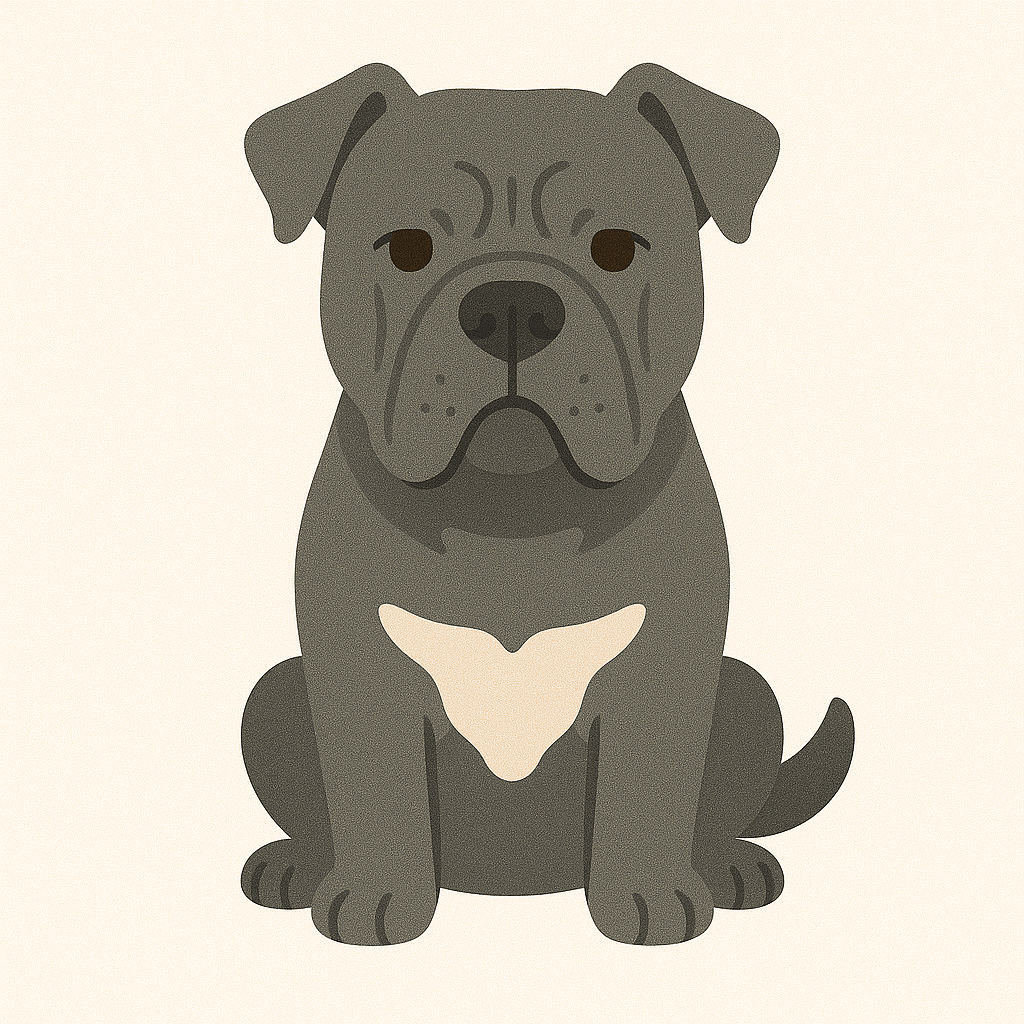
Cane Corso
The Cane Corso is a large, powerful Italian mastiff breed known for their imposing presence, loyalty, and protective instincts. Originally bred as a guard dog and hunter in ancient Rome, they are intelligent, confident, and naturally territorial. Despite their intimidating appearance, they are devoted family companions when properly socialized and trained. They require experienced owners who can provide firm, consistent leadership.
Temperament
Confident, intelligent, and naturally protective with strong territorial instincts. Devoted to their family but can be aloof with strangers. They are calm and stable when properly trained, but require firm, consistent leadership. Early socialization is crucial to prevent overprotectiveness. They have a strong work ethic and need mental stimulation to prevent destructive behaviors.
Exercise Needs
Cane Corsos are athletic dogs with high exercise needs requiring 60-120 minutes of daily activity. They excel at various activities including walking, jogging, hiking, and working tasks. Mental stimulation is equally important as physical exercise. They need structured activities and respond well to having a job to do. Without adequate exercise, they can become destructive or develop behavioral issues.
Key Tips:
-
Daily walks of 45-60 minutes
-
Jogging or running with owner
-
Hiking and outdoor adventures
-
Structured training sessions
-
Mental stimulation through puzzle toys
-
Working activities like weight pulling
-
Agility or obedience training
-
Supervised playtime with other dogs
Grooming Requirements
Cane Corsos have minimal grooming needs due to their short, dense coat. They shed moderately year-round with heavier shedding during seasonal changes. Weekly brushing is usually sufficient, but daily brushing during shedding seasons helps manage loose hair. Their ears should be checked regularly, and nails trimmed as needed. They are generally clean dogs that don't require frequent bathing.
Key Tips:
-
Weekly brushing with rubber brush or hound glove
-
Daily brushing during shedding seasons
-
Regular ear cleaning and inspection
-
Nail trimming every 2-3 weeks
-
Occasional baths as needed
-
Dental care 2-3 times weekly
-
Check and clean skin folds if present
-
Use quality grooming tools for best results
Nutrition
Cane Corsos require high-quality dog food appropriate for large breeds and their activity level. They should be fed 2-3 measured meals daily to prevent overeating and reduce bloat risk. As large, active dogs, they need adequate protein and nutrition to support their muscular build and energy needs. Monitor their weight carefully as they can be prone to obesity if overfed.
Key Tips:
-
High-quality large breed dog food
-
Two to three measured meals per day
-
Protein-rich diet for muscle maintenance
-
Avoid exercise immediately after eating
-
Fresh water always available
-
Monitor weight and body condition
-
Age-appropriate nutrition (puppy, adult, senior)
-
Supplements as recommended by veterinarian
Insurance Cost for Cane Corso
Premiums vary by animal, package and policy terms. Published product prices are reference information; request a current quote. No general market average is provided.
Nutrition Guide
Cane Corso Nutrition Guide
FEDIAF-based daily calorie and food amount calculators for Cane Corso. Jump directly to breed-specific feeding scenarios.
Suggested starting weight for this breed: about 20 kg.
Popular calculations for Cane Corso
- Cane Corso 20 kg adult feeding amount
- Cane Corso 20 kg intact feeding amount
- Cane Corso puppy feeding amount
- Cane Corso senior feeding guide
Common Health Concerns
Regular preventive care can help detect and manage these conditions early. Schedule annual health screenings with a veterinarian familiar with Cane Corsos.
Hip Dysplasia
CommonGenetic condition affecting hip joint development, common in large breeds like Cane Corso. Can cause lameness, pain, and arthritis. Proper screening of breeding dogs and maintaining healthy weight can help reduce incidence.
Hip scoring for breeding dogs, maintain healthy weight, appropriate exercise, regular veterinary monitoring
Elbow Dysplasia
CommonDevelopmental condition affecting the elbow joint, causing pain and lameness in the front legs. Common in large, fast-growing breeds. Can lead to arthritis and mobility issues if not managed properly.
Elbow scoring for breeding dogs, controlled exercise during growth, maintain healthy weight, regular monitoring
Bloat (GDV)
UncommonLife-threatening condition where the stomach fills with gas and may twist. More common in large, deep-chested breeds like Cane Corso. Requires immediate emergency veterinary treatment. Prevention includes feeding smaller, frequent meals and avoiding exercise after eating.
Feed smaller frequent meals, avoid exercise after eating, know emergency signs, elevated feeding bowls may help
Eye Problems
UncommonVarious eye conditions can affect Cane Corsos including entropion (eyelid rolling inward), ectropion (eyelid rolling outward), and cherry eye. Regular eye examinations can help detect problems early for appropriate treatment.
Regular eye examinations, genetic testing for breeding dogs, monitor for discharge or irritation, early veterinary consultation
Epilepsy
UncommonNeurological condition causing seizures of unknown origin (idiopathic epilepsy). Can usually be managed with medication once properly diagnosed. Seizures typically first appear between 6 months to 5 years of age.
Monitor for seizure activity, maintain seizure diary, regular neurological evaluations, medication management if diagnosed