Chow Chow
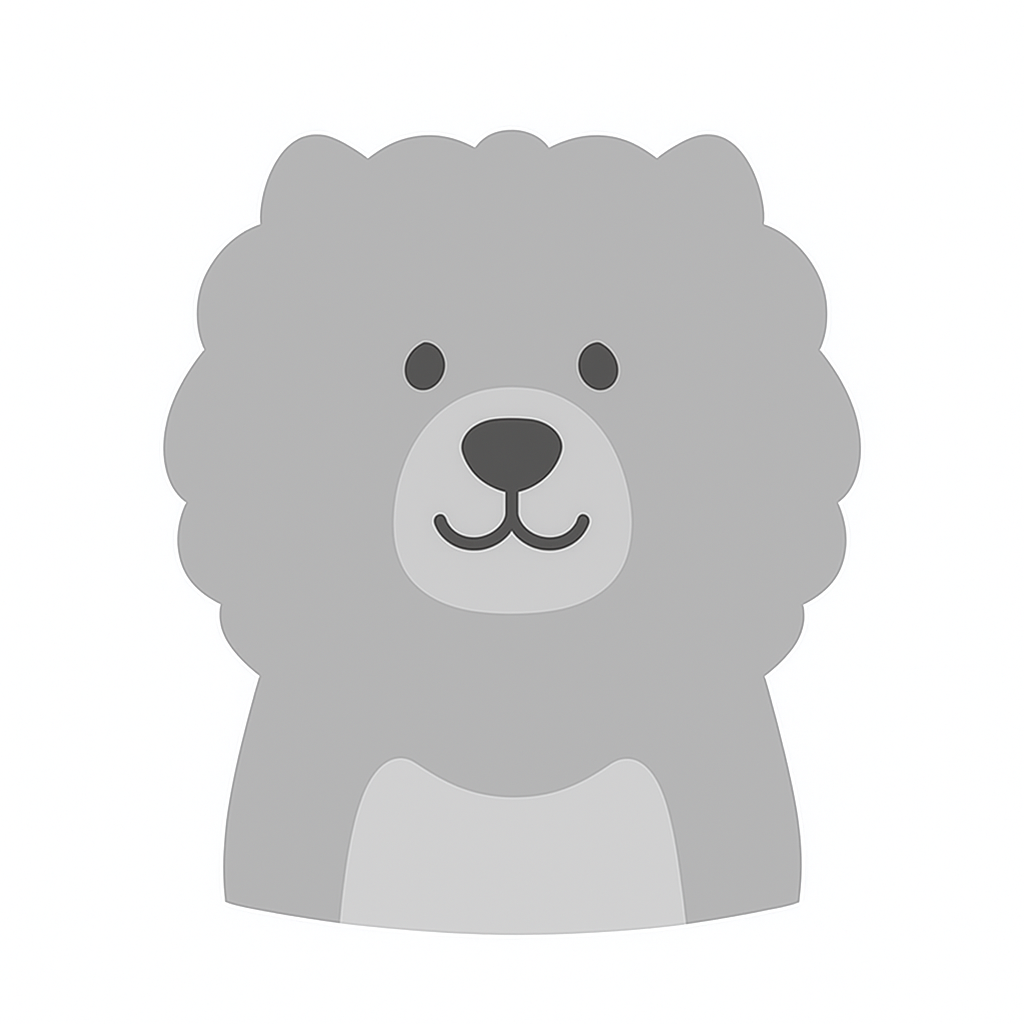
The Chow Chow is an ancient, dignified, and independent dog breed known for its lion-like mane and distinctive blue-black tongue.
Temperament
Reserved, independent, loyal to one person, sometimes aloof with strangers. Can be territorial.
Exercise Needs
Chow Chows don’t need extreme exercise but benefit from daily walks and moderate activity.
Key Tips:
-
Daily walk (20-30 min)
-
Leisure play in safe yard
-
Mental walk games
-
Short off-leash time (if safe)
Grooming Requirements
Regular brushing is essential to prevent matting and manage heavy shedding, especially during seasonal blows.
Key Tips:
-
Brush several times per week
-
Daily during shedding season
-
Check skin under coat
-
Regular nail, ear, dental care
Mental Stimulation
Chow Chows are intelligent and benefit from puzzles and training to prevent boredom and stubborn behavior.
Key Tips:
-
Puzzle toys
-
Short training sessions
-
Hide treats games
-
Rotate toys
Nutrition
High quality diet with careful portion control. Chow Chows can be prone to obesity if overfed.
Key Tips:
-
Premium dog food
-
Measure daily portions
-
Limit treats
-
Always fresh water
Insurance Cost for Chow Chow
Premiums vary by animal, package and policy terms. Published product prices are reference information; request a current quote. No general market average is provided.
Nutrition Guide
Chow Chow Nutrition Guide
FEDIAF-based daily calorie and food amount calculators for Chow Chow. Jump directly to breed-specific feeding scenarios.
Suggested starting weight for this breed: about 20 kg.
Popular calculations for Chow Chow
- Chow Chow 20 kg adult feeding amount
- Chow Chow 20 kg intact feeding amount
- Chow Chow puppy feeding amount
- Chow Chow senior feeding guide
Common Health Concerns
Regular preventive care can help detect and manage these conditions early. Schedule annual health screenings with a veterinarian familiar with Chow Chows.
Hip Dysplasia
CommonA genetic condition affecting the hip joints, common in many breeds including Chow Chow.
Hip scoring / radiographs before breeding
Elbow Dysplasia
CommonDevelopmental condition affecting elbow joints.
Elbow radiographs / screening
Entropion / Eye Disorders
OccasionalEyes may roll inward (entropion), cataracts, glaucoma.
Annual ophthalmologic exams
Skin / Allergy Issues
ModerateProne to atopic dermatitis, hot spots, coat irritation.
Allergy testing, skin checks, avoid allergens