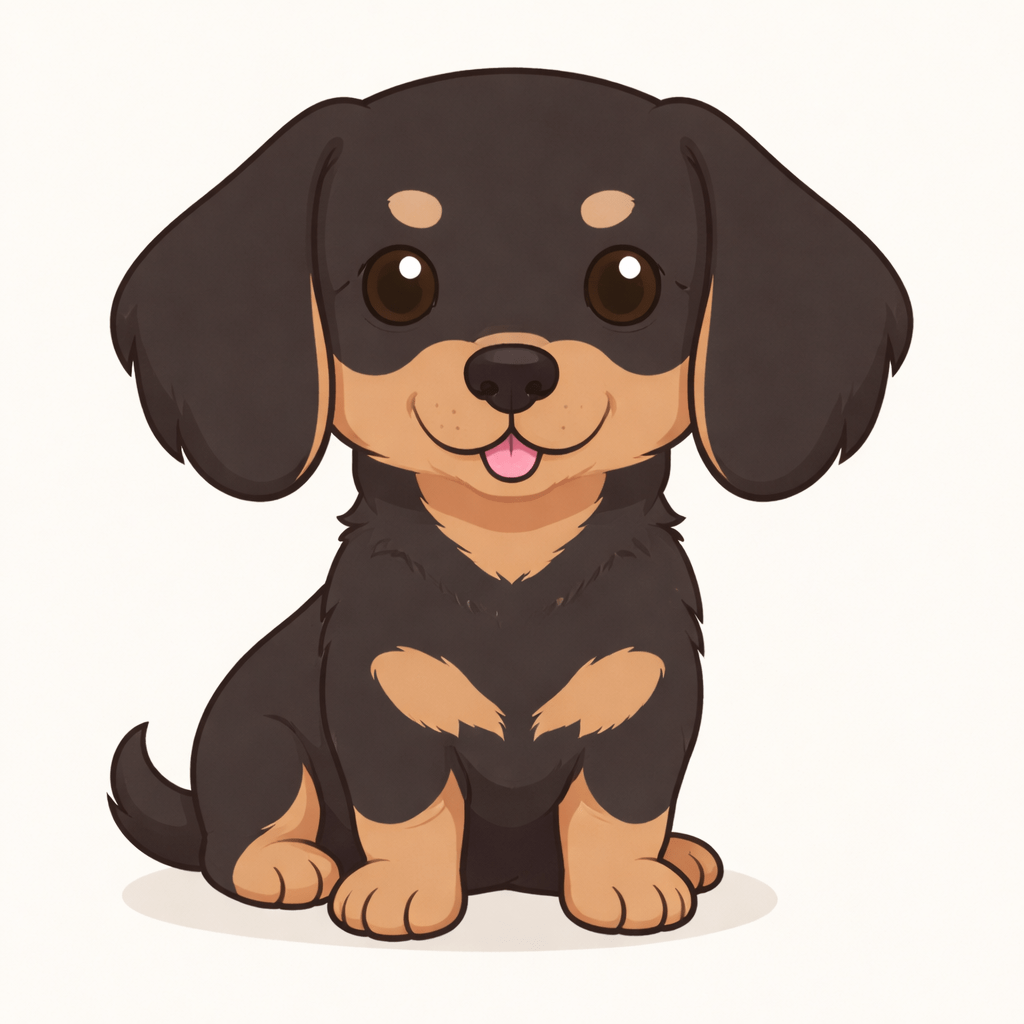
Dachshund
The Dachshund, also known as the wiener dog or sausage dog, is a German breed originally developed to hunt badgers in their burrows. Their distinctive elongated body and short legs make them instantly recognizable. Despite their small stature, they are brave, confident, and sometimes stubborn dogs with a big personality. They come in three coat varieties (smooth, long-haired, and wire-haired) and two sizes (standard and miniature).
Temperament
Brave, confident, and sometimes stubborn with a lively and curious personality. They are loyal to their families but can be reserved with strangers. Known for their hunting instincts and tendency to dig and chase small animals. Can be vocal and make excellent watchdogs despite their size. They have strong personalities and may try to dominate if not properly trained.
Exercise Needs
Dachshunds need moderate exercise but their unique body structure requires special considerations. Daily walks and playtime are important, but activities that strain their backs should be avoided. They enjoy mental stimulation through games and have strong hunting instincts that can be channeled into appropriate activities. Swimming is excellent low-impact exercise for them.
Key Tips:
-
Daily walks on flat surfaces
-
Avoid jumping up and down from furniture
-
Swimming for low-impact exercise
-
Mental stimulation games and puzzles
-
Supervised digging activities
-
Avoid stairs when possible
-
Use ramps for getting on furniture
-
Short, frequent exercise sessions
Grooming Requirements
Dachshunds come in three coat varieties with different grooming needs. Smooth-coated varieties require minimal grooming with weekly brushing. Long-haired Dachshunds need daily brushing to prevent matting and tangles. Wire-haired varieties require professional stripping several times a year. All varieties need regular nail trims, ear cleaning, and dental care.
Key Tips:
-
Weekly brushing for smooth coats
-
Daily brushing for long coats
-
Professional stripping for wire coats 2-3 times yearly
-
Regular nail trims every 2-3 weeks
-
Weekly ear cleaning due to long, droopy ears
-
Daily dental care and teeth cleaning
-
Occasional baths as needed
-
Check and clean between toes regularly
Nutrition
Dachshunds are prone to obesity, which puts dangerous stress on their spines. They require high-quality dog food appropriate for their size and activity level, with careful portion control. Feed 2-3 small meals daily rather than one large meal to aid digestion and prevent overeating. Monitor their weight closely and adjust portions as needed. Avoid feeding from the table as they can be persistent beggars.
Key Tips:
-
High-quality small to medium breed dog food
-
Two to three measured meals per day
-
Strict portion control to prevent obesity
-
Avoid table scraps and excessive treats
-
Fresh water always available
-
Monitor weight weekly
-
Age-appropriate nutrition adjustments
-
Low-calorie treats for training rewards
Insurance Cost for Dachshund
Premiums vary by animal, package and policy terms. Published product prices are reference information; request a current quote. No general market average is provided.
Nutrition Guide
Dachshund Nutrition Guide
FEDIAF-based daily calorie and food amount calculators for Dachshund. Jump directly to breed-specific feeding scenarios.
Suggested starting weight for this breed: about 10 kg.
Popular calculations for Dachshund
- Dachshund 10 kg adult feeding amount
- Dachshund 10 kg intact feeding amount
- Dachshund puppy feeding amount
- Dachshund senior feeding guide
Common Health Concerns
Regular preventive care can help detect and manage these conditions early. Schedule annual health screenings with a veterinarian familiar with Dachshunds.
Intervertebral Disc Disease (IVDD)
Very CommonThe most serious health concern for Dachshunds. Their long spine and short legs put tremendous stress on the intervertebral discs, leading to herniation, compression, and potential paralysis. Can occur at any age but most common in middle-aged dogs. Early signs include reluctance to move, hunched back, and pain.
Avoid jumping, stairs, and back-stressing activities; maintain healthy weight; regular spinal examinations; immediate veterinary care for any back pain signs
Obesity
CommonDachshunds are prone to weight gain due to their food-motivated nature and relatively low exercise needs. Excess weight puts additional dangerous stress on their already vulnerable spines and can worsen IVDD. Obesity also increases risk of diabetes, heart problems, and joint issues.
Strict portion control, measured meals, regular weight monitoring, appropriate exercise levels, avoid table scraps and excessive treats
Progressive Retinal Atrophy (PRA)
UncommonInherited eye condition that causes gradual vision loss leading to blindness. Typically develops in middle age and progresses slowly. Early signs include difficulty seeing in dim light and bumping into objects. There is no cure, but affected dogs can adapt well to blindness.
Regular eye examinations, genetic testing for breeding dogs, monitor for vision changes, adapt environment for vision-impaired dogs
Epilepsy
UncommonNeurological condition causing seizures, which can be idiopathic (unknown cause) or secondary to other conditions. Seizures typically first appear between 6 months to 5 years of age. Can usually be managed with medication once properly diagnosed.
Monitor for seizure activity, maintain seizure diary, regular neurological evaluations, medication management if diagnosed
Bloat (GDV)
RareLife-threatening condition where the stomach fills with gas and may twist. Less common in Dachshunds than in larger breeds but can still occur. Requires immediate emergency veterinary treatment. Prevention includes feeding smaller, frequent meals and avoiding exercise after eating.
Feed smaller frequent meals, avoid exercise after eating, know emergency signs, immediate veterinary care if symptoms occur