Pug
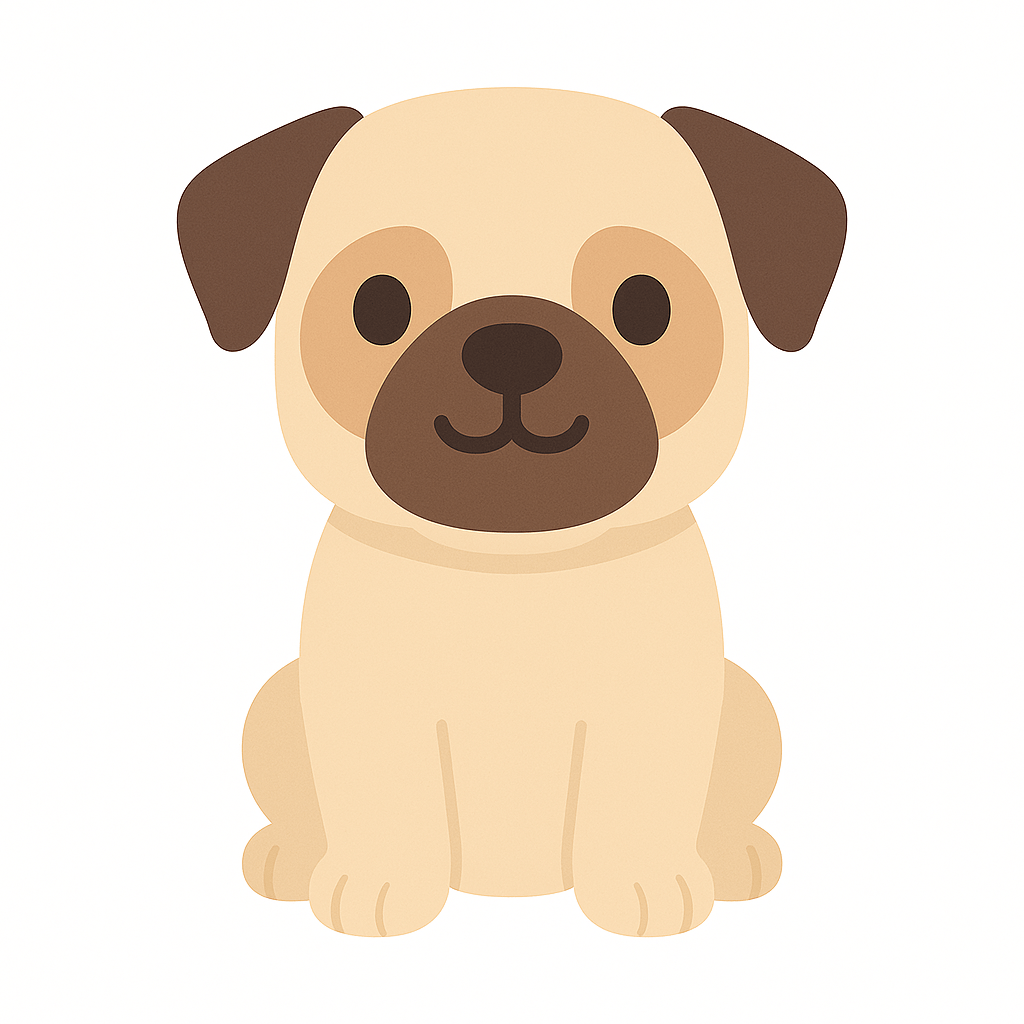
The Pug is a small, wrinkly dog breed known for its playful personality and distinctive appearance.
Temperament
Playful, affectionate, charming, and stubborn. Great family companions with a clown-like personality.
Exercise Needs
Pugs need 30-60 minutes of daily exercise. They enjoy short walks and play sessions but can overheat easily.
Key Tips:
-
Short walks
-
Indoor play
-
Cool environment
-
Avoid hot weather
Grooming Requirements
Pugs have short coats requiring minimal grooming. Weekly brushing and wrinkle cleaning are essential.
Key Tips:
-
Weekly brushing
-
Wrinkle cleaning
-
Nail trimming
-
Ear cleaning
Mental Stimulation
Intelligent but stubborn breed. Mental stimulation prevents boredom and destructive chewing.
Key Tips:
-
Puzzle toys
-
Training games
-
Chew toys
-
Social interaction
Nutrition
Pugs are prone to weight gain. Feed high-quality food in controlled portions and monitor weight.
Key Tips:
-
Weight management food
-
Portion control
-
Daily weight checks
-
Low-calorie treats
Insurance Cost for Pug
Premiums vary by animal, package and policy terms. Published product prices are reference information; request a current quote. No general market average is provided.
Nutrition Guide
Pug Nutrition Guide
FEDIAF-based daily calorie and food amount calculators for Pug. Jump directly to breed-specific feeding scenarios.
Suggested starting weight for this breed: about 5 kg.
Popular calculations for Pug
- Pug 5 kg adult feeding amount
- Pug 5 kg intact feeding amount
- Pug puppy feeding amount
- Pug senior feeding guide
Common Health Concerns
Regular preventive care can help detect and manage these conditions early. Schedule annual health screenings with a veterinarian familiar with Pugs.
Brachycephalic Syndrome
CommonBreathing difficulties due to the short muzzle and narrow nostrils.
Breathing evaluation recommended
Eye Problems
CommonVarious eye conditions including corneal ulcers and dry eye.
Regular eye exams