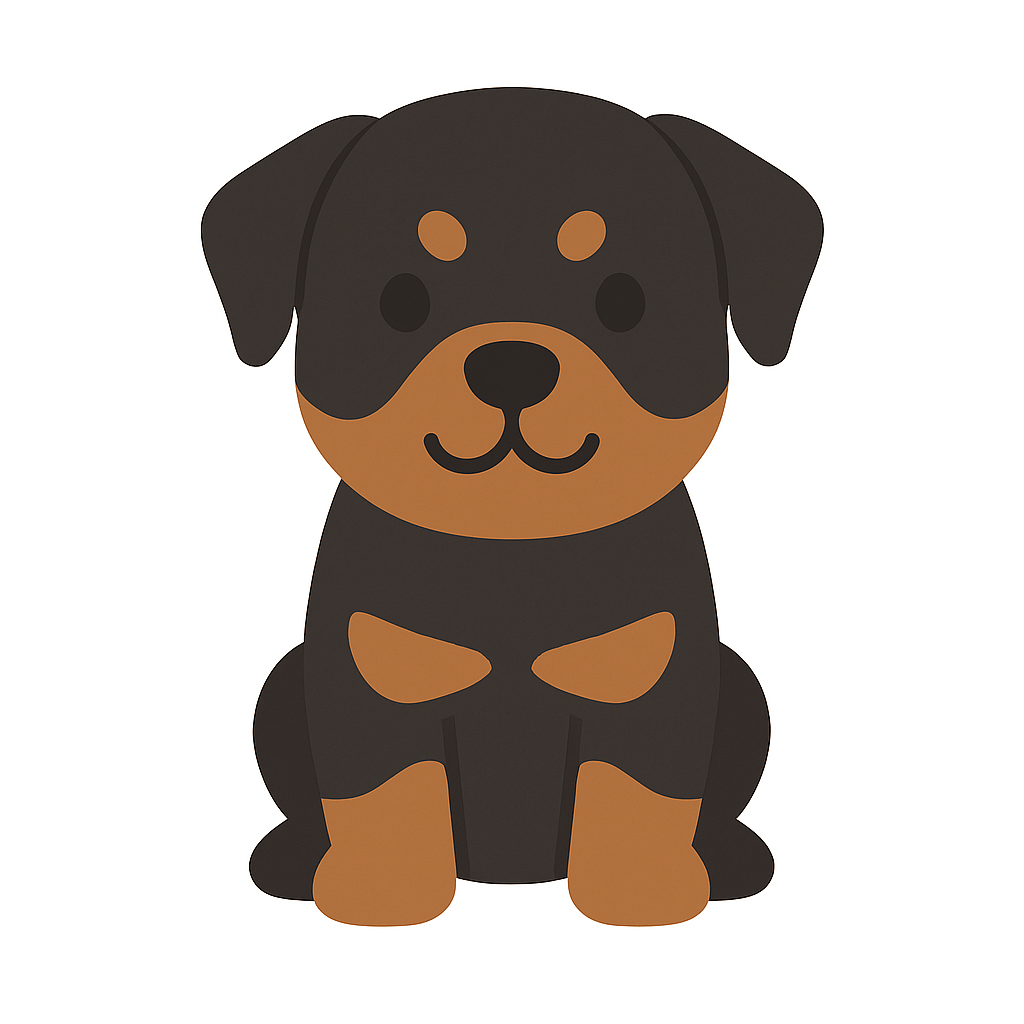
Rottweiler
The Rottweiler is a strong, powerful, and confident dog originally bred for herding and guarding. Known for its loyalty and protective nature.
Temperament
Loyal, confident, protective, and intelligent. Requires early socialization and training.
Exercise Needs
Rottweilers are active and need daily physical and mental exercise to stay balanced and healthy.
Key Tips:
-
Daily walks or jogs (60-90 min)
-
Agility or obedience training
-
Fetch and interactive games
-
Mental puzzle toys
Grooming Requirements
Short coat is easy to maintain. Weekly brushing removes loose hairs and occasional baths keep coat clean.
Key Tips:
-
Brush weekly
-
Occasional bath
-
Check nails and ears
-
Regular dental care
Nutrition
High-quality diet with proper portions. Monitor calorie intake as Rottweilers are prone to obesity.
Key Tips:
-
Premium dog food
-
Portion control
-
Avoid table scraps
-
Fresh water always
Insurance Cost for Rottweiler
Premiums vary by animal, package and policy terms. Published product prices are reference information; request a current quote. No general market average is provided.
Nutrition Guide
Rottweiler Nutrition Guide
FEDIAF-based daily calorie and food amount calculators for Rottweiler. Jump directly to breed-specific feeding scenarios.
Suggested starting weight for this breed: about 20 kg.
Popular calculations for Rottweiler
- Rottweiler 20 kg adult feeding amount
- Rottweiler 20 kg intact feeding amount
- Rottweiler puppy feeding amount
- Rottweiler senior feeding guide
Common Health Concerns
Regular preventive care can help detect and manage these conditions early. Schedule annual health screenings with a veterinarian familiar with Rottweilers.
Hip Dysplasia
CommonA genetic condition affecting the hip joints, common in large breeds like Rottweilers.
Hip scoring recommended for breeding