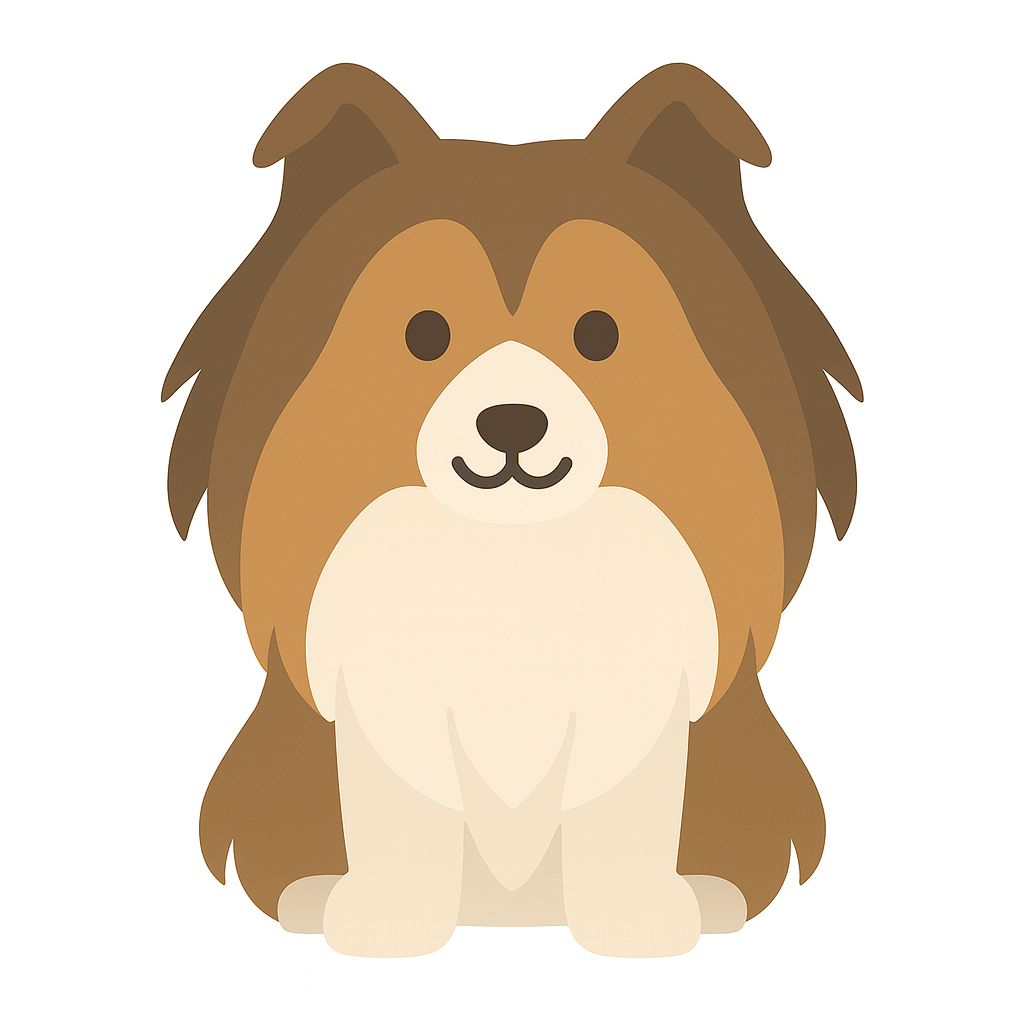
Shetland Sheepdog
The Shetland Sheepdog is an intelligent and energetic herding breed known for its agility and trainability.
Temperament
Intelligent, loyal, trainable, and energetic. Excellent working dogs with strong herding instincts.
Exercise Needs
Shetland Sheepdogs need 60-90 minutes of daily exercise. They excel in agility, obedience, and herding activities.
Key Tips:
-
Agility training
-
Obedience work
-
Herding games
-
Long walks
Grooming Requirements
Shetland Sheepdogs have double coats requiring regular brushing 2-3 times weekly and seasonal shedding.
Key Tips:
-
Weekly brushing
-
Seasonal shedding
-
Nail trimming
-
Ear cleaning
Mental Stimulation
Highly intelligent breed requiring mental challenges. Without stimulation, they can become bored and destructive.
Key Tips:
-
Advanced training
-
Puzzle toys
-
Herding activities
-
Competitive sports
Nutrition
Active breed with high metabolism. Feed high-quality food appropriate for their activity level.
Key Tips:
-
High-quality dog food
-
Protein-rich diet
-
Joint supplements
-
Fresh water
Insurance Cost for Shetland Sheepdog
Premiums vary by animal, package and policy terms. Published product prices are reference information; request a current quote. No general market average is provided.
Nutrition Guide
Shetland Sheepdog Nutrition Guide
FEDIAF-based daily calorie and food amount calculators for Shetland Sheepdog. Jump directly to breed-specific feeding scenarios.
Suggested starting weight for this breed: about 10 kg.
Popular calculations for Shetland Sheepdog
- Shetland Sheepdog 10 kg adult feeding amount
- Shetland Sheepdog 10 kg intact feeding amount
- Shetland Sheepdog puppy feeding amount
- Shetland Sheepdog senior feeding guide
Common Health Concerns
Regular preventive care can help detect and manage these conditions early. Schedule annual health screenings with a veterinarian familiar with Shetland Sheepdogs.
Hip Dysplasia
CommonA genetic condition affecting the hip joints.
Hip scoring recommended for breeding
Eye Problems
CommonVarious inherited eye conditions including Collie Eye Anomaly.
Regular eye examinations