Shiba Inu
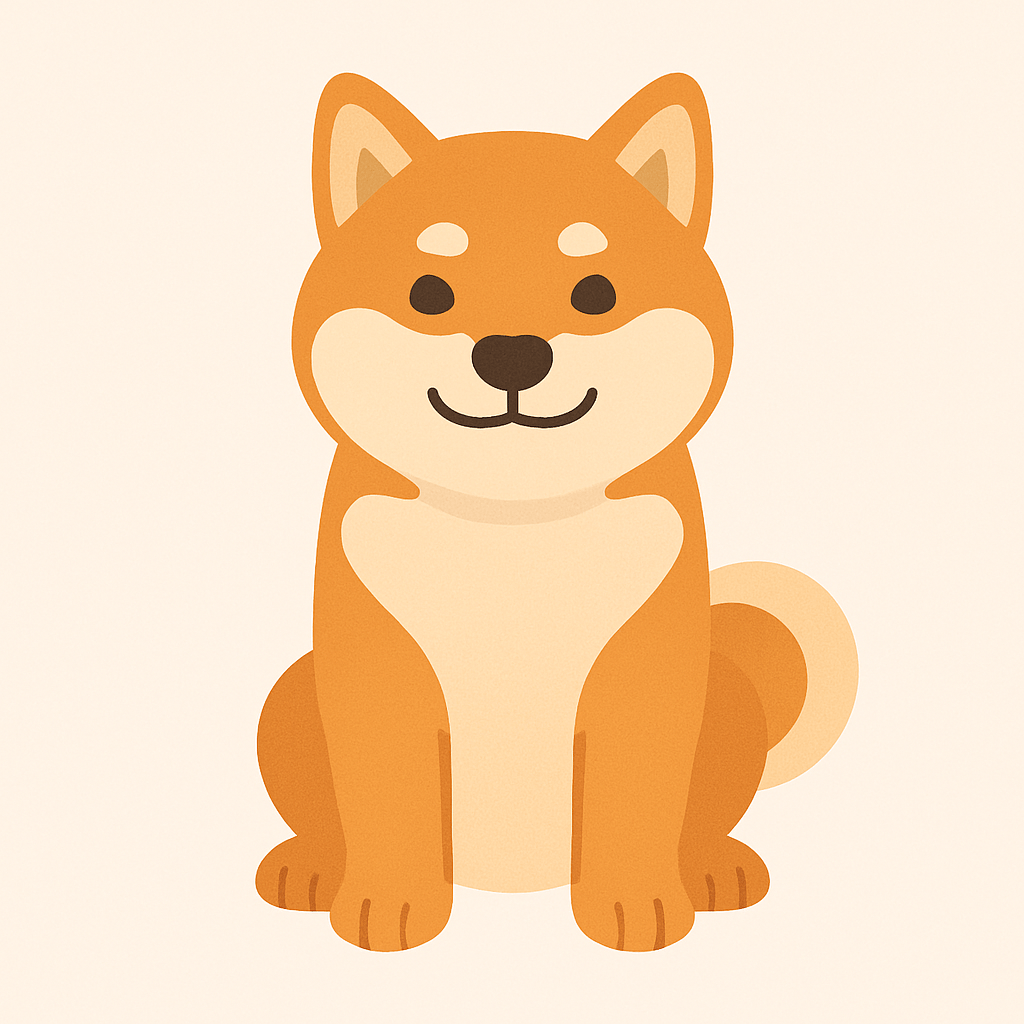
The Shiba Inu is an ancient Japanese dog breed that has been declared a national treasure of Japan. Originally bred for hunting small game and birds in the mountainous regions of Japan, the Shiba Inu is the smallest of the six native Japanese spitz breeds. Known for their fox-like appearance, curled tail, and distinctive cream to red coat colors, Shiba Inus have a bold and confident personality. They are famous for their independence, cleanliness, and strong-willed nature. The breed gained international popularity and became a cultural phenomenon, especially through internet memes. Despite their small to medium size, they possess a big personality and require an experienced owner who understands their unique temperament.
Temperament
Bold, alert, and good-natured with a strong independent streak. Shiba Inus are known for their confidence and can be somewhat aloof, especially with strangers. They are loyal to their family but not overly affectionate or clingy. Often described as cat-like in their behavior, they are clean, quiet, and prefer to do things on their own terms. They can be stubborn and strong-willed, making them challenging for inexperienced dog owners. Shiba Inus are naturally reserved and may not get along well with other dogs, especially those of the same sex. They have a strong prey drive and may chase small animals. Despite their independent nature, they form strong bonds with their family and can be protective when necessary.
Exercise Needs
Shiba Inus have moderate exercise needs but require mental stimulation to prevent boredom and destructive behavior. They enjoy daily walks and playtime but are not as high-energy as some breeds. Due to their strong prey drive and independent nature, they should always be kept on leash or in a securely fenced area when outdoors. They can be escape artists and may not come when called if they see something interesting. Indoor activities and puzzle toys can help meet their mental stimulation needs.
Key Tips:
-
Daily walks (30-45 minutes)
-
Secure leash or fenced area always
-
Mental stimulation with puzzle toys
-
Indoor play sessions
-
Avoid off-leash areas unless secure
-
Supervised outdoor activities
-
Interactive games and training
-
Early socialization with other dogs
Grooming Requirements
Shiba Inus have a double coat that sheds heavily twice a year during seasonal changes, known as blowing coat. During these periods, daily brushing is essential to manage the excessive shedding. Outside of shedding seasons, weekly brushing is usually sufficient. They are naturally clean dogs that groom themselves like cats and rarely need baths unless they get particularly dirty. Their nails should be trimmed regularly, and their ears should be checked and cleaned weekly. Dental care is important as with all breeds.
Key Tips:
-
Daily brushing during shedding seasons
-
Weekly brushing normally
-
Minimal bathing needed
-
Regular nail trims
-
Weekly ear cleaning
-
Use undercoat rake during shedding
-
Check for mats behind ears
-
Dental care routine
Nutrition
Shiba Inus require high-quality dog food appropriate for their size, age, and activity level. They are generally not prone to obesity like some breeds, but portion control is still important. Many Shibas can be picky eaters and may have food sensitivities or allergies. A consistent feeding schedule helps maintain their digestive health. Fresh water should always be available. Some Shibas may benefit from limited ingredient diets if they have sensitivities. As with all breeds, treats should be given in moderation and should not exceed 10% of their daily caloric intake.
Key Tips:
-
High-quality dog food for small/medium breeds
-
Consistent feeding schedule
-
Monitor for food sensitivities
-
Fresh water always available
-
Limited treats (under 10% of calories)
-
Consider limited ingredient diets if needed
-
Regular weight monitoring
-
Adjust portions based on activity level
Insurance Cost for Shiba Inu
Premiums vary by animal, package and policy terms. Published product prices are reference information; request a current quote. No general market average is provided.
Nutrition Guide
Shiba Inu Nutrition Guide
FEDIAF-based daily calorie and food amount calculators for Shiba Inu. Jump directly to breed-specific feeding scenarios.
Suggested starting weight for this breed: about 10 kg.
Popular calculations for Shiba Inu
- Shiba Inu 10 kg adult feeding amount
- Shiba Inu 10 kg intact feeding amount
- Shiba Inu puppy feeding amount
- Shiba Inu senior feeding guide
Common Health Concerns
Regular preventive care can help detect and manage these conditions early. Schedule annual health screenings with a veterinarian familiar with Shiba Inus.
Hip Dysplasia
ModerateA genetic condition affecting the hip joint development, less common in Shiba Inus than in larger breeds but still present. Can cause lameness, pain, and reduced mobility. Early detection through screening can help manage the condition and maintain quality of life. Maintaining proper weight and providing appropriate exercise can help reduce the impact.
Hip screening X-rays for breeding dogs, maintain healthy weight, provide moderate exercise, monitor for lameness or mobility issues
Patellar Luxation
CommonA condition where the kneecap dislocates from its normal position, relatively common in small to medium-sized breeds like Shiba Inus. Can range from mild (Grade 1) to severe (Grade 4). May cause intermittent lameness or persistent limping. Severe cases may require surgical correction. Maintaining proper weight and avoiding excessive jumping can help prevent worsening.
Regular veterinary examinations, monitor for limping or lameness, maintain healthy weight, avoid excessive jumping, consider joint supplements if recommended
Allergies
CommonShiba Inus can be prone to various allergies including food allergies, environmental allergies (pollen, dust mites), and contact allergies. Symptoms may include itching, skin irritation, hot spots, ear infections, and digestive issues. Food allergies often manifest as skin problems or gastrointestinal upset. Environmental allergies typically cause seasonal itching and skin issues. Proper diagnosis and management can help control symptoms and improve quality of life.
Allergy testing to identify triggers, elimination diets for food allergies, regular skin and ear examinations, environmental control measures, monitor for symptoms
Glaucoma
ModerateAn eye condition characterized by increased pressure within the eye, which can lead to vision loss and blindness if left untreated. Shiba Inus may be predisposed to certain types of glaucoma. Symptoms include eye pain, redness, cloudiness, enlarged pupil, and vision changes. Early detection and treatment are crucial for preserving vision. Regular eye examinations can help detect the condition before significant damage occurs.
Regular eye examinations by veterinary ophthalmologist, monitor for eye pain or vision changes, measure intraocular pressure, early intervention for symptoms