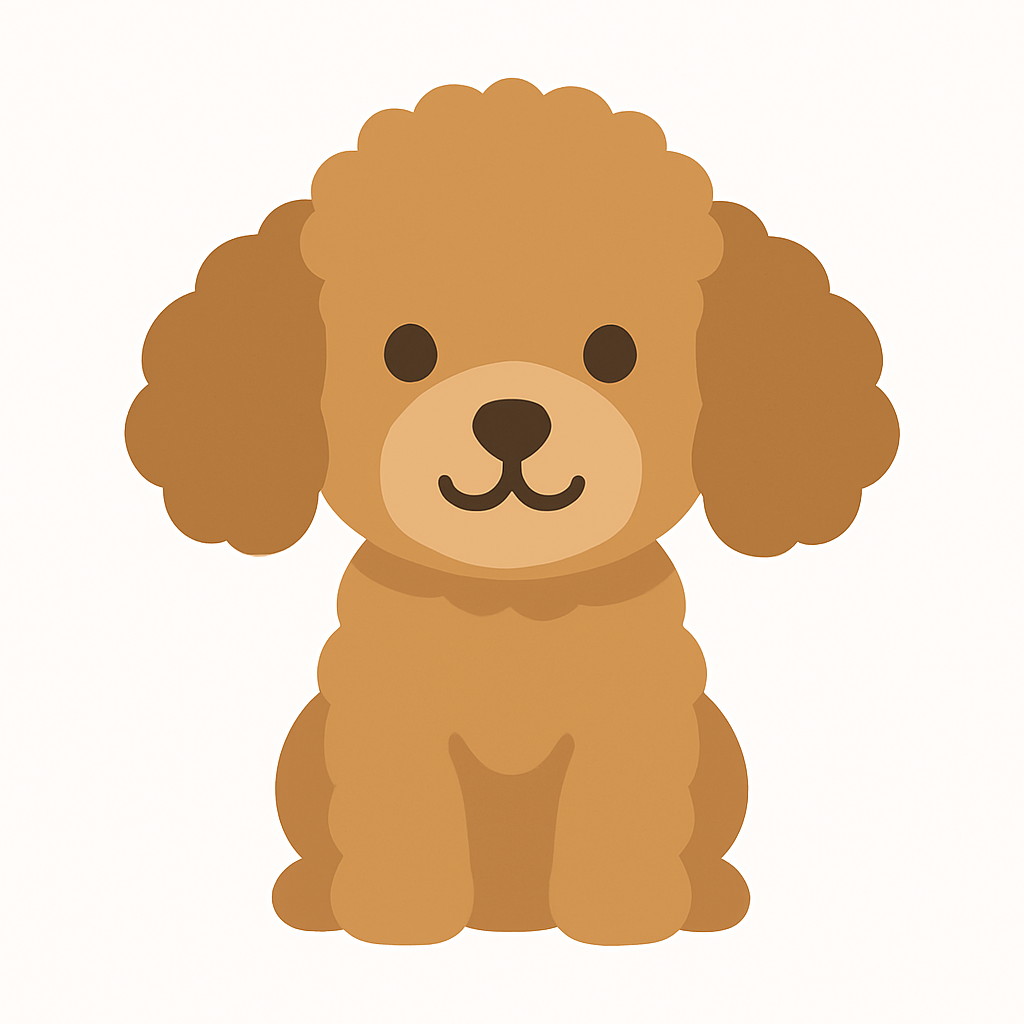
Toy Poodle
The Toy Poodle is the smallest variety of the Poodle breed, standing under 10 inches tall. Despite their tiny size, they possess the same intelligence, athleticism, and elegant bearing as their larger cousins. Originally bred down from Standard Poodles, Toy Poodles were developed to be companion dogs for European nobility. They are known for their hypoallergenic curly coat, exceptional intelligence, and lively personality. These little dogs are surprisingly robust and make excellent apartment pets while still maintaining the Poodle's signature trainability and grace.
Temperament
Intelligent, alert, and active with a confident and outgoing personality despite their small size. Toy Poodles are highly trainable and eager to please, making them excellent companions for families and individuals. They are naturally social and bond closely with their owners, sometimes becoming protective of their family. Known for their lively and playful nature, they can be somewhat reserved with strangers but are generally not aggressive. They have a proud bearing and can sometimes display a bit of attitude, but they are loving and devoted to their families. Their intelligence can lead to mischievous behavior if they become bored.
Exercise Needs
Toy Poodles have moderate exercise needs that can be met with indoor activities and short walks. Despite their small size, they are energetic and enjoy playtime. They don't require as much exercise as larger Poodles but still need daily activity to stay healthy and happy. Mental stimulation is just as important as physical exercise for this intelligent breed.
Key Tips:
-
Daily walks (15-20 minutes)
-
Indoor play sessions
-
Interactive toys and games
-
Mental stimulation activities
-
Avoid overexertion in hot weather
-
Supervised outdoor playtime
Grooming Requirements
Toy Poodles require regular grooming to maintain their hypoallergenic curly coat. Their coat grows continuously and needs professional grooming every 4-6 weeks. Daily brushing is essential to prevent matting, especially around the ears, legs, and tail. Many owners opt for shorter clips to make maintenance easier. Regular nail trims are crucial as their small nails grow quickly.
Key Tips:
-
Daily brushing to prevent matting
-
Professional grooming every 4-6 weeks
-
Regular nail trims every 2-3 weeks
-
Weekly ear cleaning
-
Daily dental care
-
Use slicker brush and metal comb
-
Consider puppy clips for easier care
-
Protect from cold weather
Nutrition
Toy Poodles require high-quality small breed dog food with smaller kibble size appropriate for their tiny mouths. They have fast metabolisms and may need to eat more frequently than larger dogs. Portion control is crucial as they can easily become overweight. They are prone to hypoglycemia, especially as puppies, so regular feeding schedules are important. Fresh water should always be available.
Key Tips:
-
High-quality small breed dog food
-
Small kibble size for tiny mouths
-
Multiple small meals per day
-
Monitor weight closely
-
Avoid overfeeding treats
-
Fresh water always available
-
Regular feeding schedule
-
Watch for signs of hypoglycemia
Insurance Cost for Toy Poodle
Premiums vary by animal, package and policy terms. Published product prices are reference information; request a current quote. No general market average is provided.
Nutrition Guide
Toy Poodle Nutrition Guide
FEDIAF-based daily calorie and food amount calculators for Toy Poodle. Jump directly to breed-specific feeding scenarios.
Suggested starting weight for this breed: about 3 kg.
Popular calculations for Toy Poodle
- Toy Poodle 3 kg adult feeding amount
- Toy Poodle 3 kg intact feeding amount
- Toy Poodle puppy feeding amount
- Toy Poodle senior feeding guide
Common Health Concerns
Regular preventive care can help detect and manage these conditions early. Schedule annual health screenings with a veterinarian familiar with Toy Poodles.
Patellar Luxation
CommonA condition where the kneecap dislocates from its normal position, very common in toy breeds. Can range from mild (Grade 1) to severe (Grade 4). May cause intermittent lameness or persistent limping. Severe cases may require surgical correction. Maintaining proper weight and avoiding excessive jumping can help prevent worsening.
Regular veterinary examinations, monitor for limping or lameness, maintain healthy weight, avoid excessive jumping, consider joint supplements
Progressive Retinal Atrophy (PRA)
ModerateInherited eye disease that causes gradual vision loss leading to blindness. Typically develops in middle-aged dogs. First signs include difficulty seeing in dim light or night blindness. While there is no cure, affected dogs can adapt well to vision loss with proper support and environmental management.
Annual eye examinations by veterinary ophthalmologist, genetic testing for breeding dogs, monitor for night vision problems, provide safe environment
Hypoglycemia
CommonLow blood sugar condition particularly common in toy breed puppies and small adult dogs. Can be triggered by stress, excitement, poor nutrition, or going too long without eating. Symptoms include weakness, disorientation, trembling, and in severe cases, seizures or collapse. Requires immediate treatment with sugar source and veterinary care.
Feed regular small meals, avoid prolonged fasting, keep corn syrup or honey available for emergencies, monitor for symptoms, reduce stress
Tracheal Collapse
ModerateA condition where the tracheal rings weaken and the airway partially collapses, common in small breeds. Causes a characteristic honking cough, especially when excited or pulling on a leash. Can worsen with age, obesity, or respiratory infections. Management includes weight control, avoiding irritants, and using a harness instead of a collar.
Use harness instead of collar, maintain healthy weight, avoid respiratory irritants, monitor coughing, seek veterinary care for persistent symptoms