What conditions are excluded from cat insurance?
One of the most important topics you must know before purchasing cat insurance is cat insurance exclusions, and knowing what your insurance policy does not cover is of critical importance in terms of not experiencing disappointment and making your financial planning correctly. Although pet insurance exclusions vary between insurance companies, there are conditions that are generally accepted in the industry and excluded from almost all cat insurance policies, and understanding these conditions in detail will guide you in your policy selection process. Pre-existing conditions in cat insurance are the most common exclusion, and any health problem that your cat has been diagnosed with or treated for before making an insurance application generally does not fall under insurance coverage, which is why it is of great importance to get insurance for cats at the earliest possible age and while they are healthy. Diseases that occur during the pet insurance waiting period are also excluded, and most insurance policies have a waiting period of 14-30 days, and treatments that begin during this period are not covered by insurance, but emergency situations resulting from accidents are generally not subject to a waiting period. Insurance companies exhibit different approaches regarding genetic and hereditary diseases in cat insurance, and while some policies exclude hereditary diseases commonly seen in certain breeds (such as polycystic kidney disease in Persian cats, heart diseases in Maine Coon cats), others can cover these diseases in exchange for additional premiums. Pet insurance cosmetic procedures, aesthetic interventions that are not medically necessary, practices such as ear cropping, tail docking, and nutrition products are definitely excluded, and it is not possible for you to make an insurance claim for such expenses. Services related to reproduction and birth in cat insurance, intentional breeding activities, pregnancy monitoring, birth expenses, spaying or neutering surgeries are excluded from most standard policies, but these services can be included in coverage with some premium packages or additional coverage options. Pet insurance behavioral problems and training treatments, your cat's psychiatric problems, behavior therapies, training expenses, and injuries resulting from behavioral causes are generally not considered within insurance coverage, but behavior changes resulting from a medical condition can sometimes be included in coverage. Regarding routine care and preventive services in cat insurance, basic policies generally do not cover annual vaccinations, parasite medications, dental cleaning, nail trimming, and general care services, and you need to add wellness or health package additions for these services. Pet insurance experimental treatments, innovative treatment methods that have not yet become standard practice in veterinary medicine, drugs in the research phase, and clinical trials are excluded from most insurance policies, and if you choose such treatments, you need to cover the expenses yourself. Diseases or injuries resulting from neglect and mistreatment in cat insurance are definitely excluded, and in cases where you do not provide necessary care to your cat, do not follow the vaccination schedule, do not take veterinary recommendations into account, or intentionally harm your cat, the insurance company can refuse to pay compensation. When comparing cat insurance through the VetPI.com platform, you can examine in detail the conditions excluded by each policy and see which insurance company covers the conditions that are important to you. Pet insurance policy limits and deductibles also create exclusion situations in a sense, and you cannot receive insurance payment for expenses that exceed your annual coverage limit or fall below the deductible amount. Regarding alternative treatment methods in cat insurance, alternative medicine practices such as acupuncture, homeopathy, chiropractic, and herbal treatments are generally not included in standard policies, but some premium policies can cover these treatments to a limited extent. Exclusion situations resulting from pet insurance policy violations occur when you provide false information, intentionally conceal information, do not make your premium payments on time, or act contrary to policy conditions, and in these cases, the insurance company can refuse to pay compensation or cancel your policy. Breed-specific exclusions in cat insurance exist in some insurance companies, and separate evaluation is made for special health problems of certain breeds, and these conditions can be excluded with additional exclusion clauses. Thanks to the VetPI platform, you can see side by side the conditions excluded by different insurance companies, compare which company offers more comprehensive coverage, and choose the most suitable policy for you, especially considering your cat's breed, age, and health history. Pet insurance policy details and fine print are sections where all exclusion conditions are explained, and carefully reading these sections before purchasing a policy and getting consultation through VetPI for points you do not understand will prevent problems you may experience in the future. Health problems resulting from extraordinary situations such as war, terrorism, and natural disasters in cat insurance are also excluded from most policies, but some special policies can also cover these situations. Pet insurance geographical restrictions exist in some policies, and health problems that occur during travel abroad or treatments performed in certain regions can be excluded. Maximum treatment limits in cat insurance can set annual or lifetime limits for certain diseases or treatment types, and when these limits are exceeded, the relevant disease or treatment is excluded. When choosing cat insurance through VetPI.com, in addition to comparing exclusion conditions, you can read user reviews to see which situations cause problems in real life and make a more informed decision. In terms of pet insurance transparency, while some insurance companies explain exclusion conditions very clearly, others may use ambiguous expressions, which is why it is important to examine policy conditions in detail through the VetPI platform and get expert support if necessary. In conclusion, cat insurance exclusion conditions vary from policy to policy, and pre-existing conditions, waiting periods, genetic diseases, cosmetic procedures, reproductive services, behavioral problems, routine care, experimental treatments, and neglect situations are among the most common exclusions, and through the detailed comparison you will make on VetPI.com, you can find the policy that best suits your cat's needs, has the fewest exclusions, and is the most transparent, thereby both providing financial security and protecting your adorable friend's health in the best way.
Category: Cat Insurance
View all
Related Questions
-
What are the typical reimbursement percentages offered by cat insurance policies?
-
How does pre-existing condition coverage vary between different cat insurance plans?
-
What are the common types of cat insurance plans and what do they typically cover?
-
What are the most common reasons for a cat insurance claim to be denied and how can pet owners prevent these issues?
-
What is the typical age limit for enrolling my cat in a new insurance policy, and are there any options for senior cats?
Still have questions?
If you couldn't find the answer to your question, please contact our support team.
Contact SupportDownload the VetPI App
Complete pet care at your fingertips. Book appointments, track health records, and more.


VetPI App
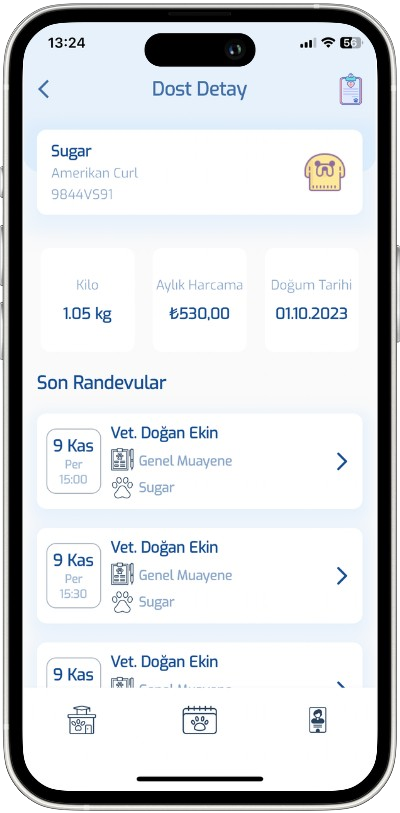
Pet Profile Page