What are the potential risks associated with sedating my pet for grooming, and what alternatives are available?
Sedating a pet for grooming carries potential risks and should be approached with caution. While it can make the process easier for both the groomer and the animal, especially for pets with anxiety or aggression, it's crucial to understand the possible complications. Risks can include adverse reactions to the sedative, such as breathing difficulties, changes in heart rate, or even, in rare cases, more severe complications. It is important to discuss the pet's medical history, including any existing conditions or allergies, with both the groomer and the veterinarian before considering sedation. Alternatives to sedation include desensitization and counter-conditioning techniques, which involve gradually exposing the pet to grooming procedures in a positive and controlled manner. Look for groomers experienced in handling anxious pets; they often employ techniques like using calming pheromones, providing frequent breaks, and using gentle restraint methods. Puzzle toys or lick mats can also distract the pet during grooming. Some veterinarians may recommend calming supplements or medications that do not require full sedation. Ultimately, the decision to sedate should be made in consultation with a veterinarian and a groomer who can assess your pet's individual needs and risks.
Category: Pet Grooming
View all
Related Questions
-
What are the benefits and drawbacks of using a deshedding tool on my dog at home between professional grooming appointments?
-
What are the common signs that my dog needs professional grooming even if they don't appear visibly dirty?
-
What are the signs my dog needs professional grooming, even if they don't seem visibly dirty?
-
What are the signs my dog needs a professional grooming session even if they don't appear visibly dirty?
-
What are the key signs of skin irritation or allergies after pet grooming, and how should I address them?
Still have questions?
If you couldn't find the answer to your question, please contact our support team.
Contact SupportDownload the VetPI App
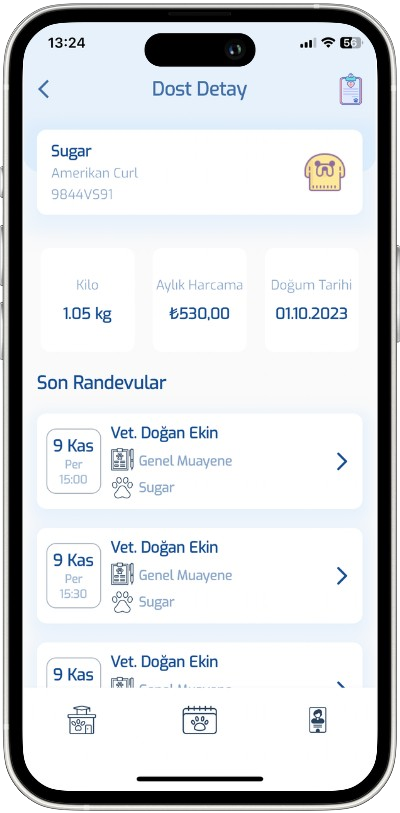
Complete pet care at your fingertips. Book appointments, track health records, and more.


VetPI App
Pet Profile Page