What are the essential health precautions to take when traveling internationally with my pet, beyond the standard vaccinations?
When traveling internationally with your pet, going beyond standard vaccinations is crucial for their health and safety. Consider these essential precautions:
* **Research Destination-Specific Diseases:** Before you travel, thoroughly research diseases prevalent in your destination country that may not exist in your home country. Consult your veterinarian about necessary preventative medications or treatments, such as heartworm prevention, tick and flea control, and protection against vector-borne diseases like leishmaniasis.
* **Quarantine Requirements:** Be aware of the quarantine regulations of your destination. Some countries have strict quarantine periods, which can be stressful for your pet. Understand the requirements beforehand and prepare your pet accordingly.
* **Health Certificate and Endorsements:** Obtain a valid health certificate from a USDA-accredited veterinarian well in advance of your trip. This certificate often needs to be endorsed by the destination country's embassy or consulate in your country. Start the process early, as endorsements can take time.
* **Medication Availability:** Check if your pet's medications are available in your destination country. If not, obtain an adequate supply for the duration of your trip, along with a prescription from your veterinarian. Ensure the medications are legal to bring into the country.
* **Parasite Prevention:** Even if your pet is already on parasite prevention medication, consider using additional preventative measures, such as insect repellent sprays or collars, especially in areas with high parasite prevalence.
* **Water Safety:** Avoid letting your pet drink tap water in countries where water quality is questionable. Provide bottled or filtered water to prevent waterborne illnesses.
* **Monitor for Signs of Illness:** Closely monitor your pet for any signs of illness, such as lethargy, loss of appetite, vomiting, or diarrhea. Seek veterinary care immediately if you notice anything concerning.
* **Microchip and Identification:** Ensure your pet is microchipped and that the microchip information is up-to-date. Consider using a GPS tracker during travel to help locate your pet if they get lost.
* **Emergency Veterinary Care:** Before you travel, research the location of veterinary clinics and emergency animal hospitals in your destination. Save their contact information in an easily accessible place.
* **Acclimatization:** Allow your pet time to acclimatize to the new environment upon arrival. Avoid strenuous activities during the first few days and provide plenty of rest and hydration.
By taking these precautions, you can help ensure your pet remains healthy and safe during international travel. Always consult with your veterinarian for personalized advice based on your pet's individual needs and the specific requirements of your destination.
Category: Traveling With Pets
View all
Related Questions
-
What are the essential documents I need to travel domestically with my pet, and how far in advance should I prepare them?
-
When flying with pets, what are the specific airline requirements for pet carriers, and how do I ensure my pet carrier meets them?
-
What are the essential health and safety precautions I should take when traveling with my pet internationally, beyond standard vaccinations?
-
What are the essential items to pack when traveling with a cat, and how can I create a comprehensive packing checklist?
-
What are the best practices for introducing a pet to a new environment when traveling?
Still have questions?
If you couldn't find the answer to your question, please contact our support team.
Contact SupportDownload the VetPI App
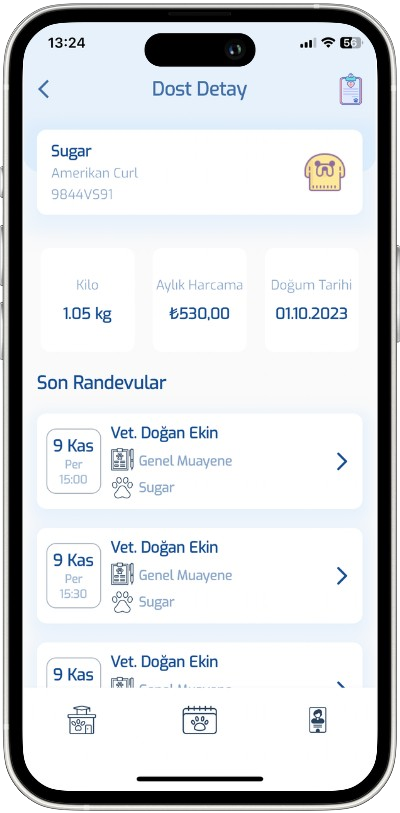
Complete pet care at your fingertips. Book appointments, track health records, and more.


VetPI App
Pet Profile Page